AWS Architecture Blog
Category: Amazon Cognito
Automating contract intelligence with Doczy.ai™ on AWS
In this post, we show you how Doczy.ai™ uses generative AI on AWS to automate contract intelligence at scale, transforming unstructured documents into structured, actionable insights, so organizations can automate critical business processes and unlock the full value of their data.
Building a scalable user search layer on top of Amazon Cognito
In this post, we show how to build a comprehensive scalable user search layer on top of Amazon Cognito using AWS Lambda, Amazon DynamoDB, and Amazon OpenSearch Service.
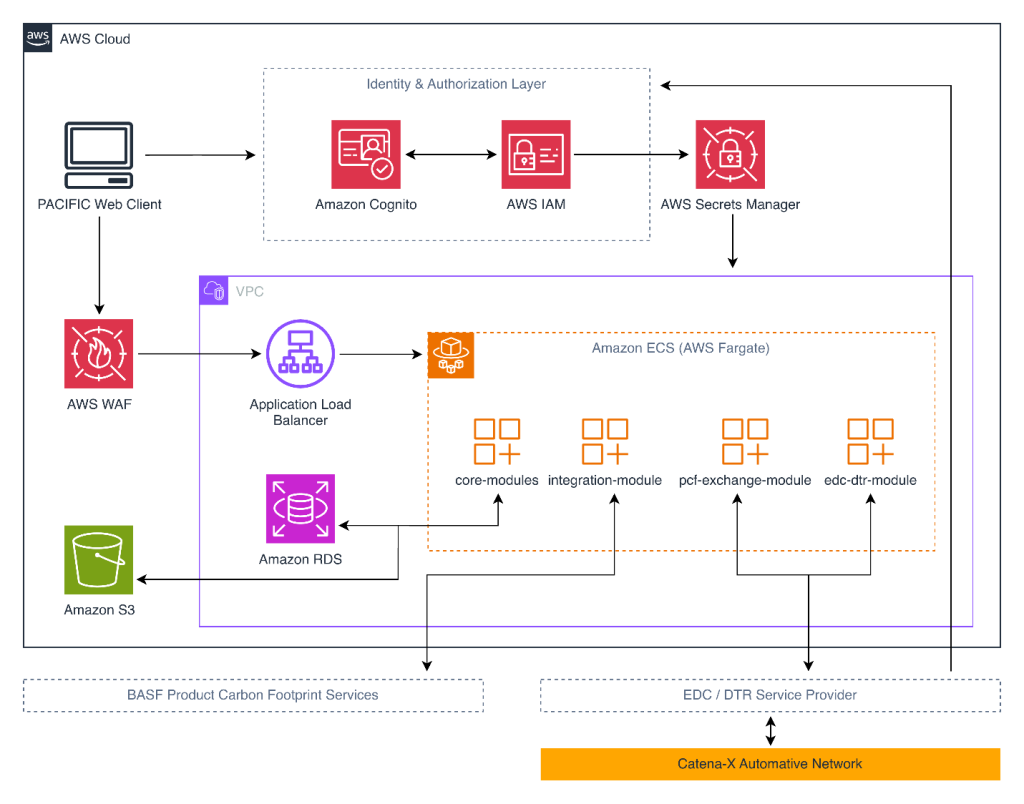
PACIFIC enables multi-tenant, sovereign product carbon footprint exchange on the Catena-X data space using AWS
This post explores how PACIFIC enables multi-tenant, sovereign PCF exchange on the Catena-X data space using Amazon Elastic Container Service (Amazon ECS) on AWS Fargate, Amazon Cognito, and AWS Identity and Access Management (IAM) to deliver measurable environmental impact and competitive advantage in a carbon-conscious marketplace.
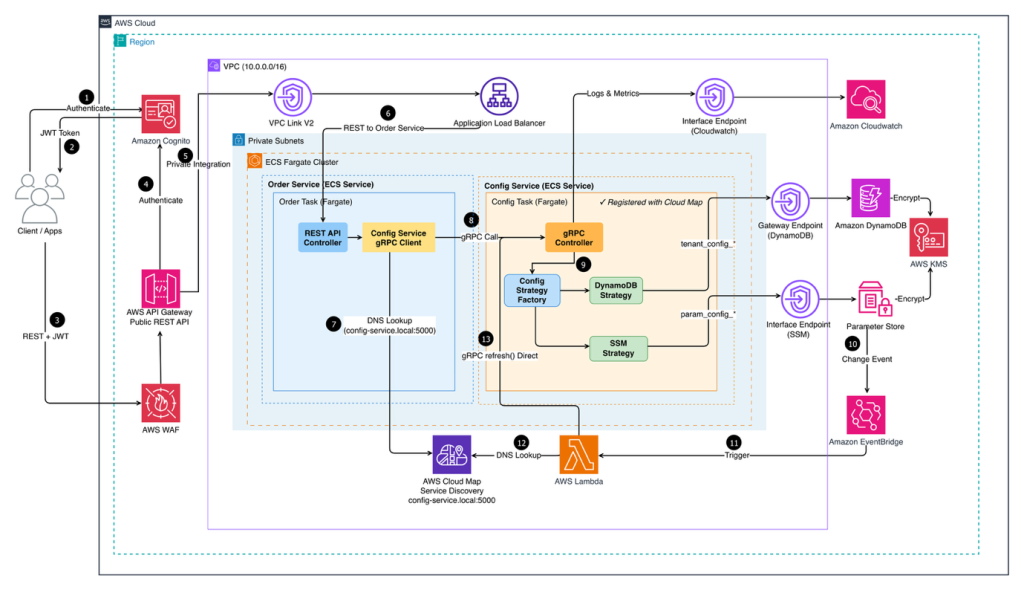
Build a multi-tenant configuration system with tagged storage patterns
In this post, we demonstrate how you can build a scalable, multi-tenant configuration service using the tagged storage pattern, an architectural approach that uses key prefixes (like tenant_config_ or param_config_) to automatically route configuration requests to the most appropriate AWS storage service. This pattern maintains strict tenant isolation and supports real-time, zero-downtime configuration updates through event-driven architecture, alleviating the cache staleness problem.
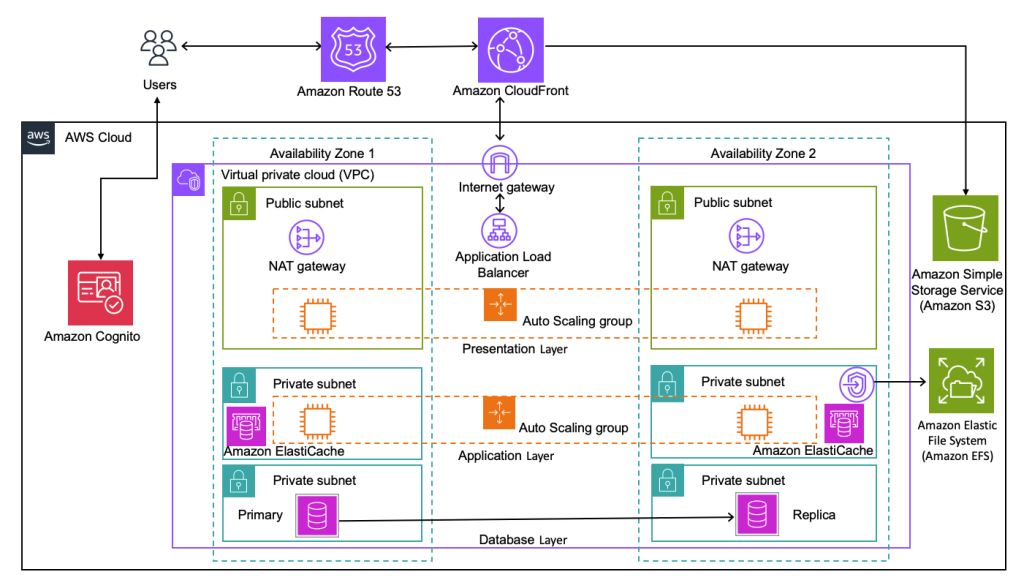
Converting stateful application to stateless using AWS services
Designing a system to be either stateful or stateless is an important choice with tradeoffs regarding its performance and scalability. In a stateful system, data from one session is carried over to the next. A stateless system doesn’t preserve data between sessions and depends on external entities such as databases or cache to manage state. […]
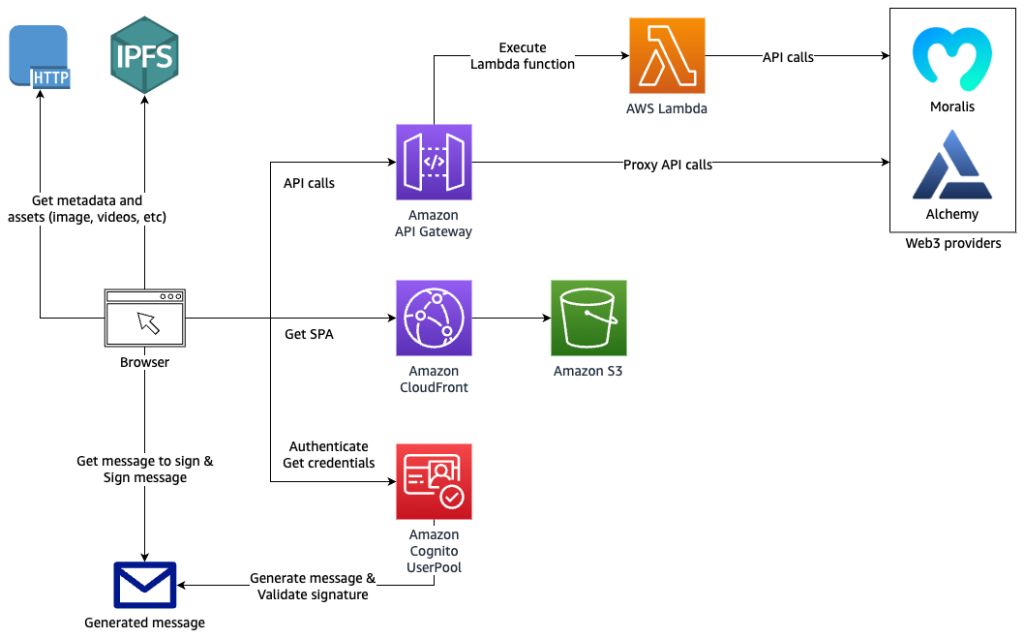
dApp authentication with Amazon Cognito and Web3 proxy with Amazon API Gateway
If your decentralized application (dApp) must interact directly with AWS services like Amazon S3 or Amazon API Gateway, you must authorize your users by granting them temporary AWS credentials. This solution uses Amazon Cognito in combination with your users’ digital wallet to obtain valid Amazon Cognito identities and temporary AWS credentials for your users. It […]
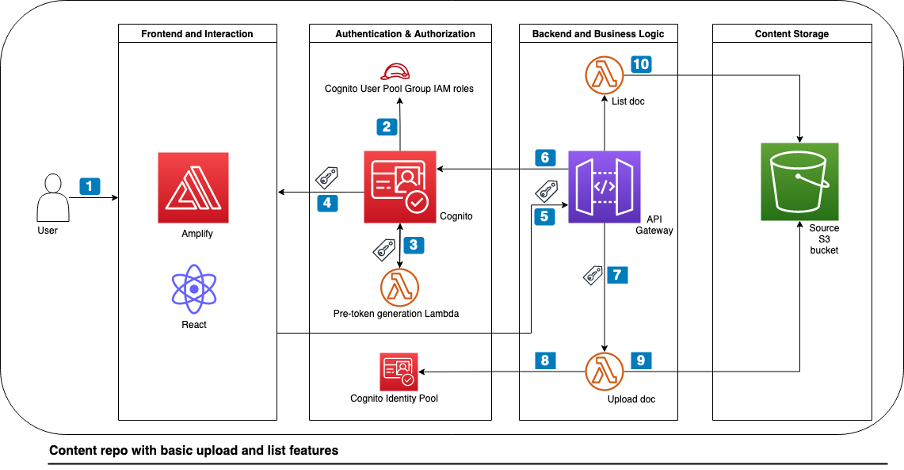
Content Repository for Unstructured Data with Multilingual Semantic Search: Part 1
Unstructured data can make up to 80 percent of data in the day-to-day business of financial organizations. For example, these organizations typically store and read PDFs and images for claim processing, underwriting, and know your customer (KYC). Organizations need to make this ingested data accessible and searchable across different entities while logically separating data access […]
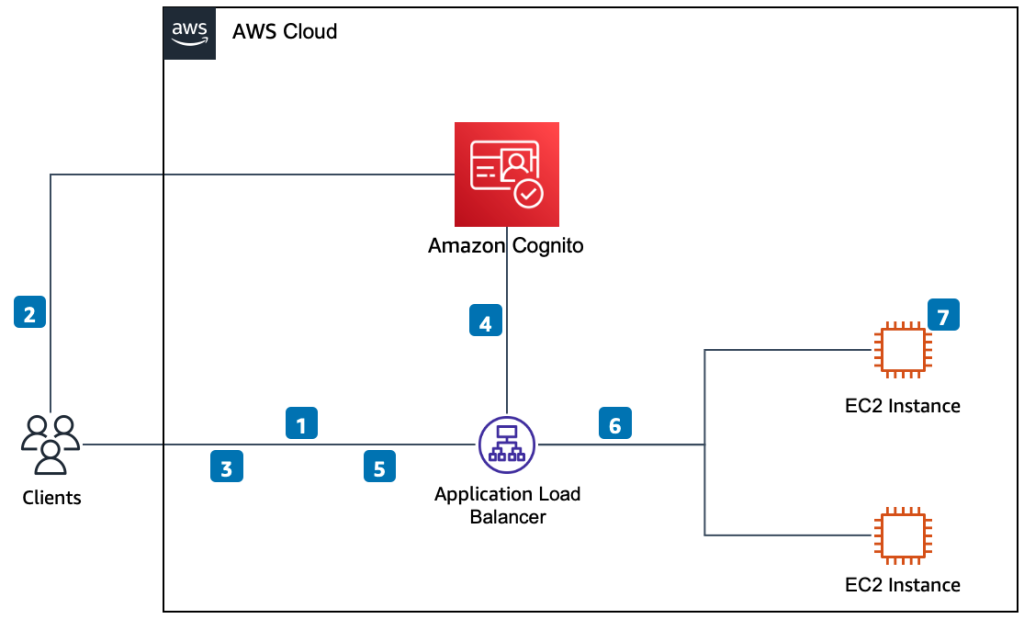
Web application access control patterns using AWS services
The web application client-server pattern is widely adopted. The access control allows only authorized clients to access the backend server resources by authenticating the client and providing granular-level access based on who the client is. This post focuses on three solution architecture patterns that prevent unauthorized clients from gaining access to web application backend servers. […]
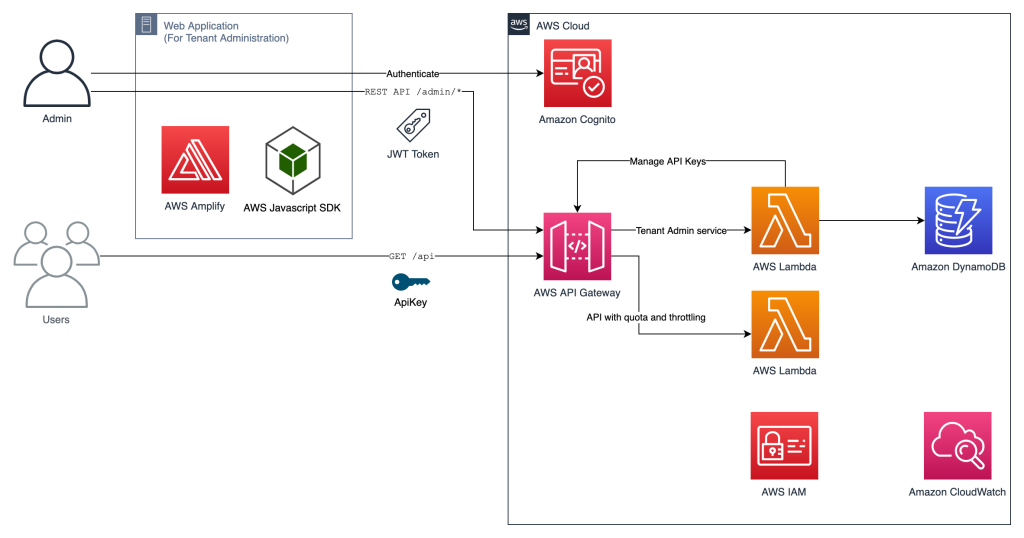
Throttling a tiered, multi-tenant REST API at scale using API Gateway: Part 2
In Part 1 of this blog series, we demonstrated why tiering and throttling become necessary at scale for multi-tenant REST APIs, and explored tiering strategy and throttling with Amazon API Gateway. In this post, Part 2, we will examine tenant isolation strategies at scale with API Gateway and extend the sample code from Part 1. […]
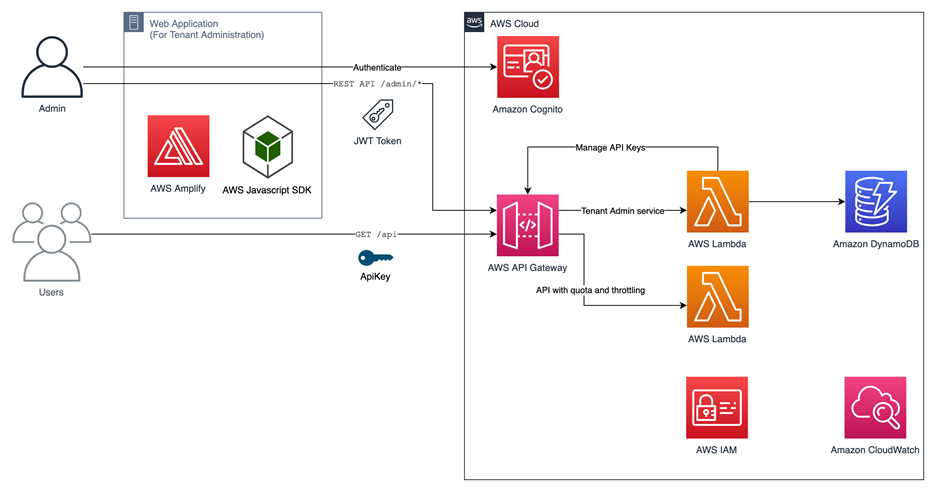
Throttling a tiered, multi-tenant REST API at scale using API Gateway: Part 1
Many software-as-a-service (SaaS) providers adopt throttling as a common technique to protect a distributed system from spikes of inbound traffic that might compromise reliability, reduce throughput, or increase operational cost. Multi-tenant SaaS systems have an additional concern of fairness; excessive traffic from one tenant needs to be selectively throttled without impacting the experience of other […]