AWS Architecture Blog

Lessons learned from scaling to 1 million Lambda functions
In this post, we share our journey and the lessons learned from building and running a fully serverless, multi-account software as a service (SaaS) platform at scale. We’ll explore why true scale-to-zero is critical, how we handle quota management, why engaging AWS service teams early saved us from outages, and which unexpected practices emerged once we scaled from thousands to over a million functions.
Preventing data exfiltration in machine learning environments with Amazon SageMaker AI
In this post, we demonstrate how iBusiness implemented a three-layered security architecture using Amazon SageMaker AI, virtual private cloud (VPC) endpoints, and Amazon WorkSpaces Secure Browser to prevent data exfiltration while maintaining data scientist productivity. You can adapt this approach to build secure machine learning environments that balance strict data protection with team scalability.
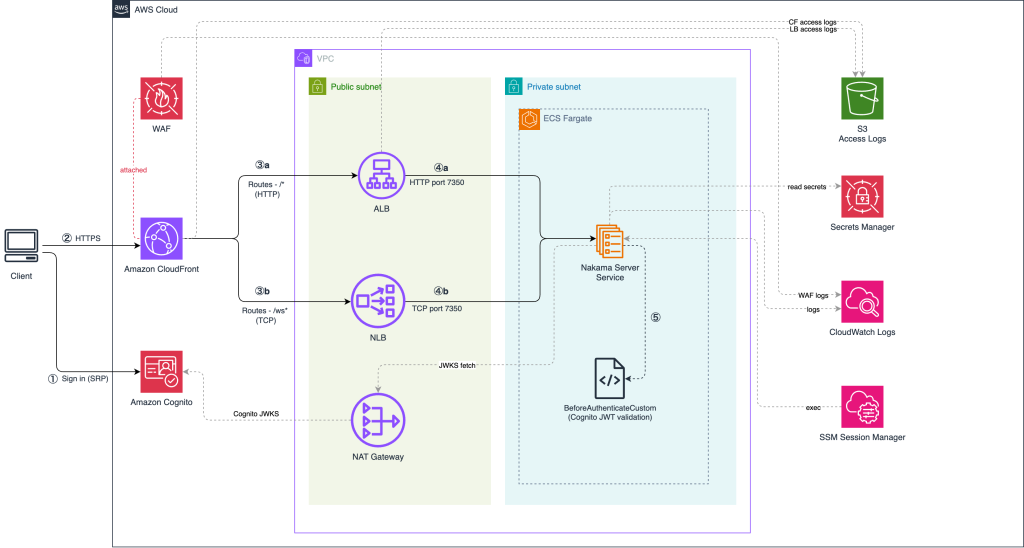
Dual-token authentication for Nakama game servers with Amazon Cognito on AWS
In this post, you learn how to configure an Amazon Cognito User Pool for SRP-based game client authentication with no client secret. You will implement a Go runtime hook that validates Cognito JWTs and bridges player identity to Nakama sessions.
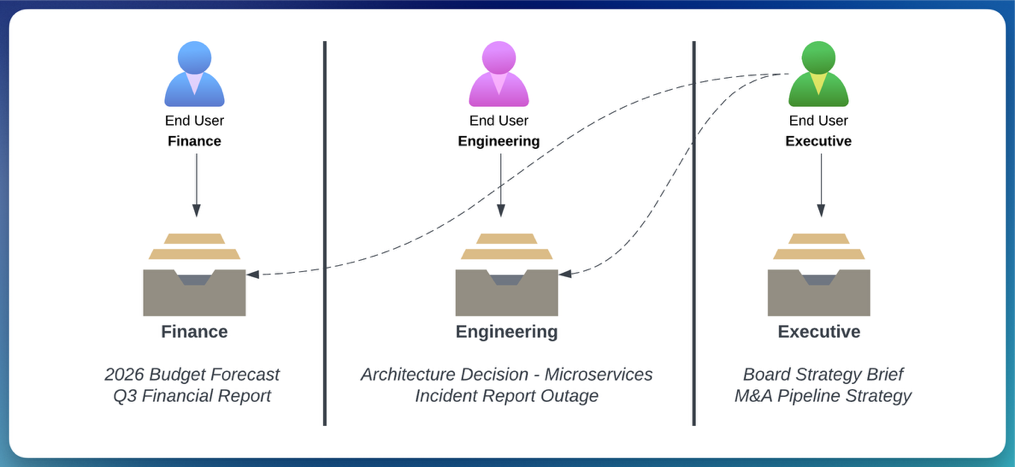
Secure multi-tenant RAG with Amazon Bedrock and Verified Permissions
This post walks you through a two-layer, defense-in-depth authorization pattern for granular, intra-tenant access control in RAG applications. Defense in depth is a security strategy that uses multiple independent layers of protection. Each layer operates independently. If one layer is misconfigured, the other layer still enforces access control. The pattern runs on Amazon Bedrock, a fully managed service that offers a choice of high-performing foundation models (FMs) from Amazon and AI companies through a single API, along with a broad set of capabilities you need to build generative AI applications with security, privacy, and responsible AI.
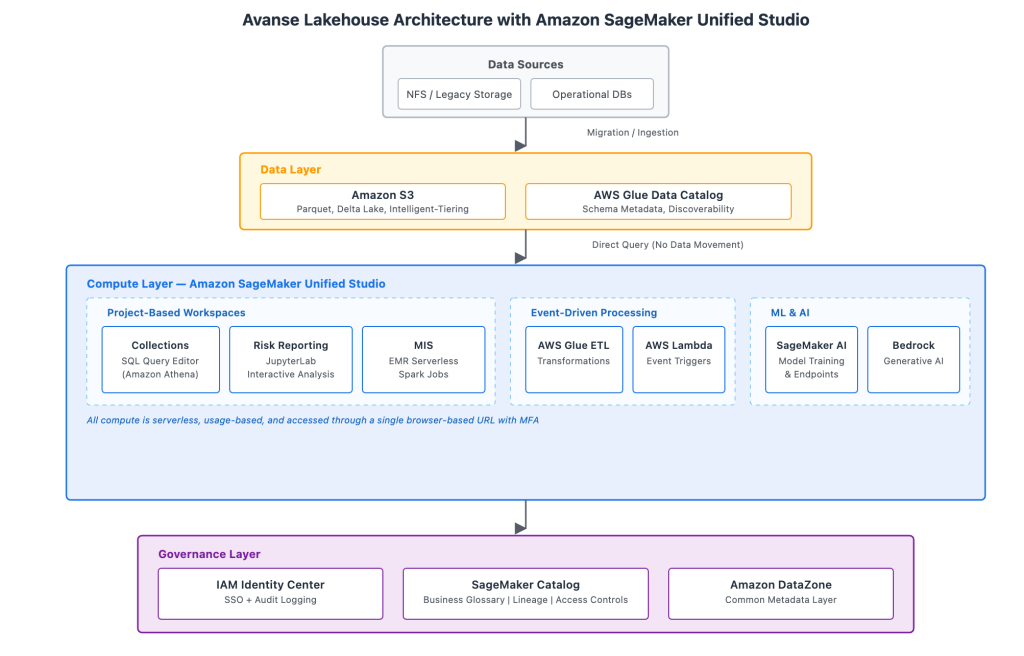
Modernizing financial analytics with Amazon SageMaker Unified Studio
Avanse Financial Services, India’s leading education loan providers, migrated to a cloud-native lakehouse architecture using Amazon SageMaker Unified Studio, which unified their data engineering, analytics, and artificial intelligence (AI) workflows in a single governed environment on AWS. In this post, we walk through their migration journey so you can adapt their approach to your own environment.
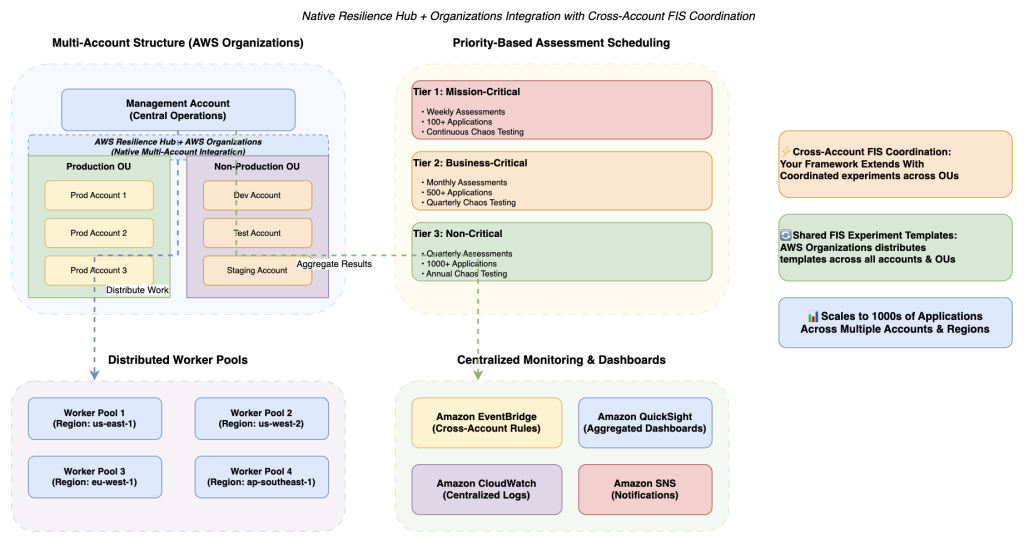
Architecting AI-powered resilience framework on AWS
In this post, you’ll learn how to architect and implement a five-layer AI-powered resilience framework that automatically discovers dependencies, generates targeted experiments, and integrates with your existing Continuous Integration/Continuous Deployment (CI/CD) pipelines. First, we’ll explore the key challenges in resilience testing. Then, we’ll walk through the five-layer architecture that solves these challenges. Finally, we’ll show you how to implement this, with phased rollout guidance for pilot, expansion, and organization-wide deployment.
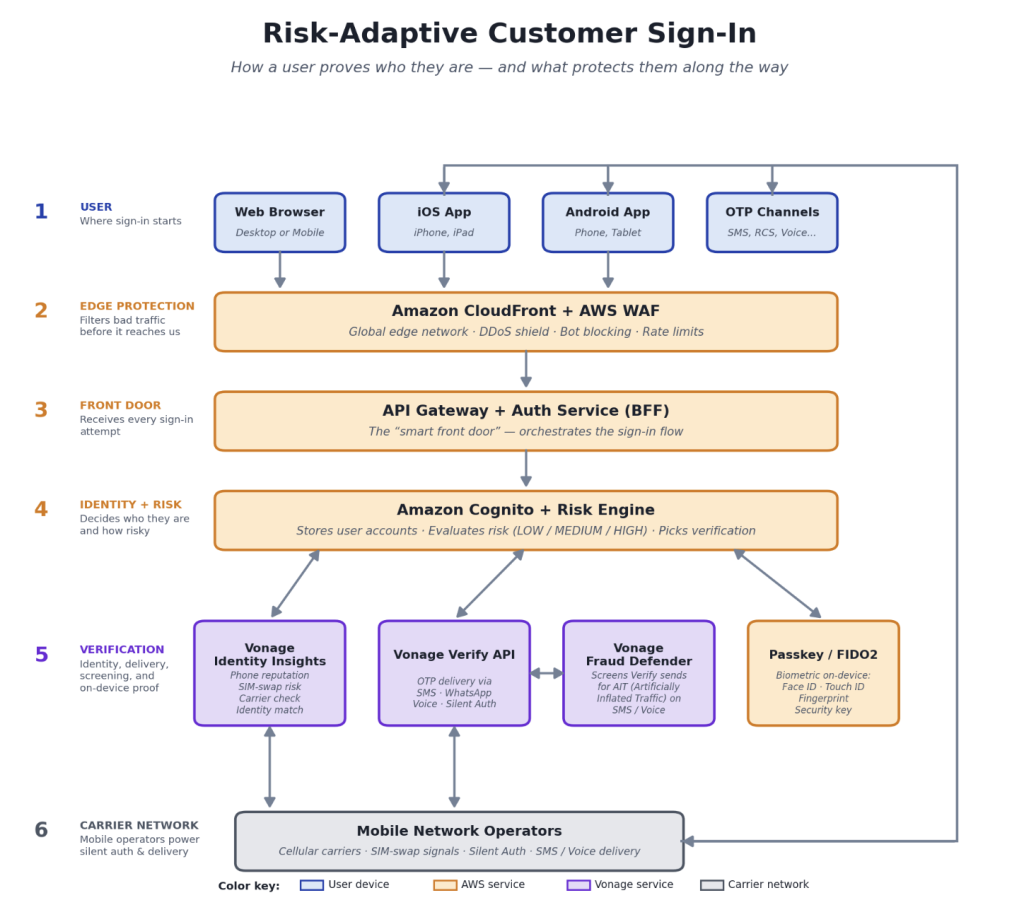
Reducing SMS OTP fraud with Vonage network-powered solutions and Amazon Cognito
In this post, we show how Vonage network-powered solutions work with Amazon Cognito to enhance many mobile-first use cases with network-level identity verification. Vonage network-powered solutions are a composable stack of real-time mobile operator intelligence, silent authentication, and integrated fraud protection, which uses the CUSTOM_AUTH flow to complete identity verification in under 5 seconds, with zero user interaction.
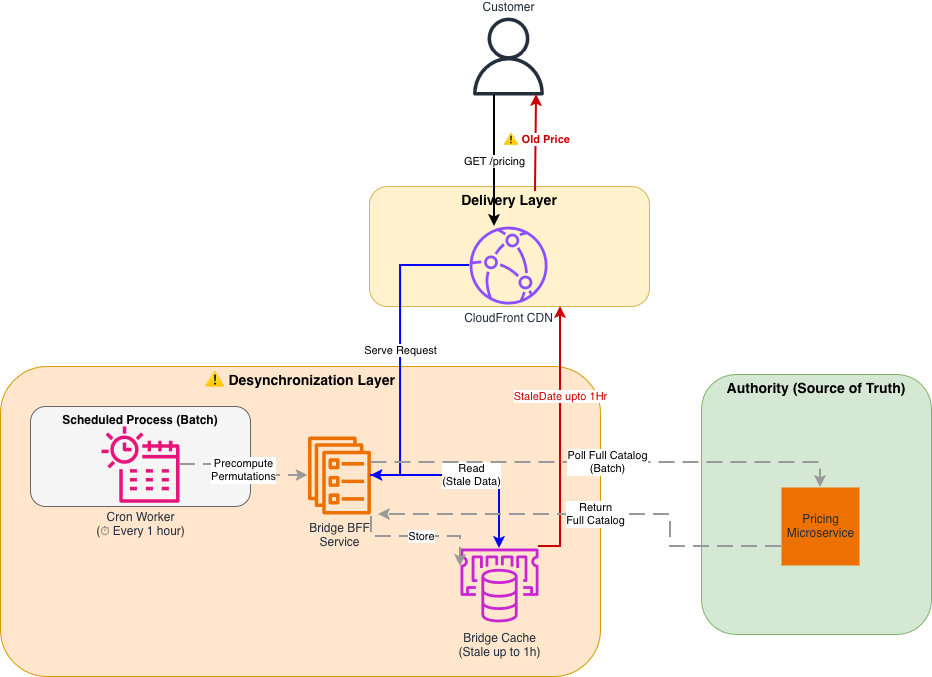
How Samsung achieved real-time pricing with AWS Lambda Response Streaming
In this post, we walk through the legacy architecture challenges, the stateless streaming solution, key implementation patterns, and performance results—a pattern you can apply if you’re building high-traffic APIs that aggregate data from multiple backend sources.
Introducing the Snowflake and AWS Custom Lens for the AWS Well-Architected Framework
The Snowflake and AWS Custom Well-Architected Framework Lens brings together AWS Well-Architected best practices and Snowflake guidance into a single review experience, with integrated recommendations that reflect how the two services compose in production. In this post, we walk through each pillar, the three access points (AWS Management Console, Kiro, and Snowflake Cortex Code), and how to run your first review.
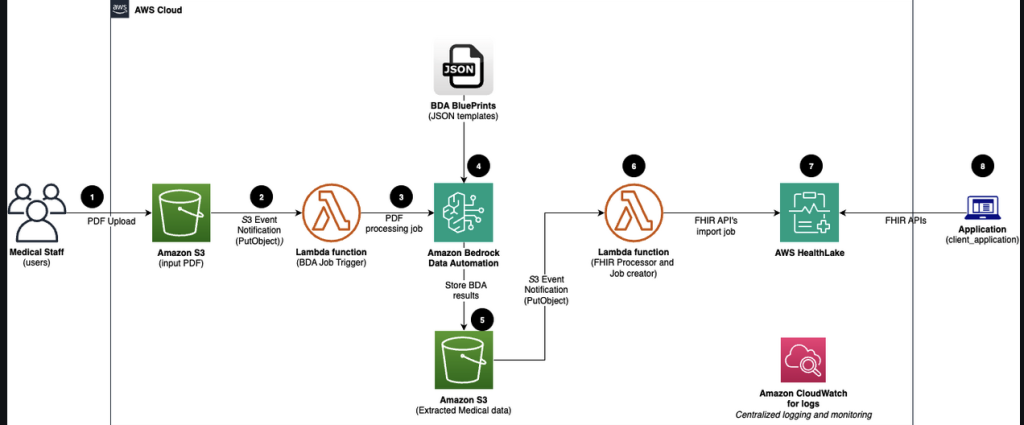
Automate medical record digitization with Amazon Bedrock Data Automation and AWS HealthLake
In this post, you learn how to build an automated, serverless pipeline that converts scanned PDF medical records into FHIR R4-compliant data using Amazon Bedrock Data Automation and AWS HealthLake. We walk through the architecture, explain how each AWS service connects to the next, show you what the pipeline looks like when it runs, and get you deployed in under 20 minutes.