AWS Architecture Blog
Category: Amazon API Gateway
Eclipse Dataspace Components on AWS: Cost optimization strategies
When you deploy Eclipse Dataspace Components (EDC) connectors on AWS, one of the first challenges you face is predicting and controlling the cost of the required infrastructure. Without clear benchmarks, it is difficult to make informed decisions about workload sizing, environment configuration, and long-term investment. Part 1 of this 3-part blog series covered the fundamentals […]
Eclipse Dataspace Components on AWS: Architecture patterns in production
Running Eclipse Dataspace Components (EDC) connectors in production on AWS requires deliberate architecture decisions around isolation, managed services, and security layering. In Part 1 of this series, we covered the fundamentals of data space architectures and EDC per the International Data Space Association’s (IDSA) standards. If you are new to EDC, we recommend starting there. […]
Eclipse Dataspace Components on AWS: Data sharing fundamentals
This three-part blog series guides you through implementing Eclipse Dataspace Components (EDC) on AWS, from foundational concept to production deployment. Part 1 establishes the theoretical foundation with IDSA standards, the Dataspace Protocol (DSP), and core EDC architecture. Part 2 provides production-ready AWS deployment patterns using services like Amazon Elastic Container Service (Amazon ECS), Amazon Aurora, […]
Building an AI gateway to Amazon Bedrock with Amazon API Gateway
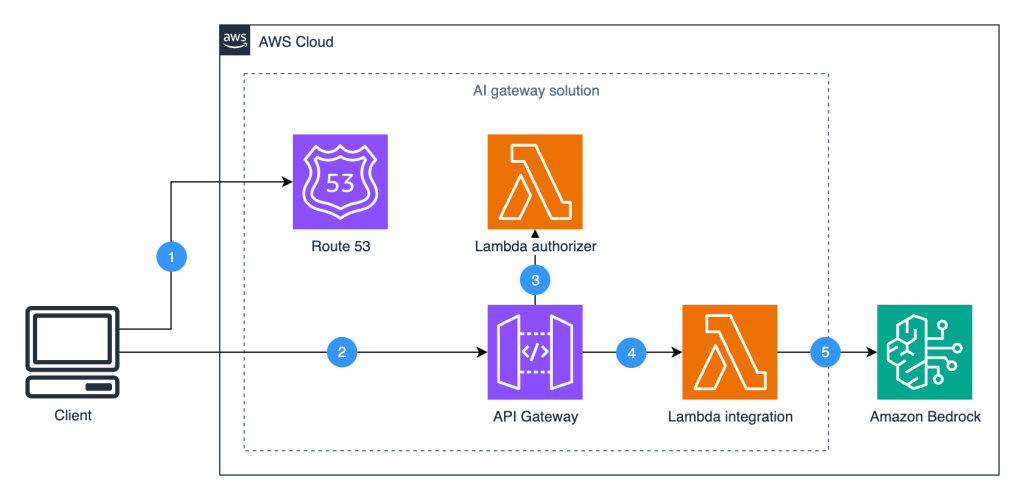
In this post, we’ll explore a reference architecture that helps enterprises govern their Amazon Bedrock implementations using Amazon API Gateway. This pattern enables key capabilities like authorization controls, usage quotas, and real-time response streaming. We’ll examine the architecture, provide deployment steps, and discuss potential enhancements to help you implement AI governance at scale.
BASF Digital Farming builds a STAC-based solution on Amazon EKS
This post was co-written with Frederic Haase and Julian Blau with BASF Digital Farming GmbH. At xarvio – BASF Digital Farming, our mission is to empower farmers around the world with cutting-edge digital agronomic decision-making tools. Central to this mission is our crop optimization platform, xarvio FIELD MANAGER, which delivers actionable insights through a range […]
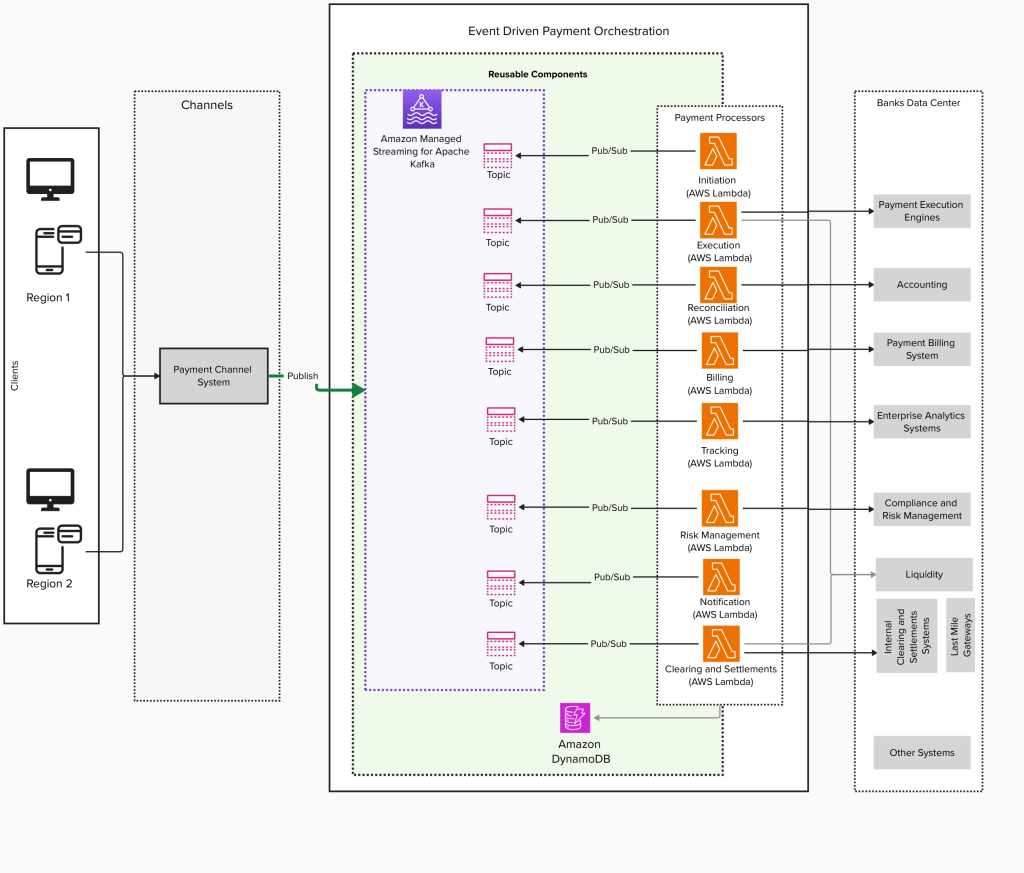
Modernization of real-time payment orchestration on AWS
The global real-time payments market is experiencing significant growth. According to Fortune Business Insights, the market was valued at USD 24.91 billion in 2024 and is projected to grow to USD 284.49 billion by 2032, with a CAGR of 35.4%. Similarly, Grand View Research reports that the global mobile payment market, valued at USD 88.50 […]
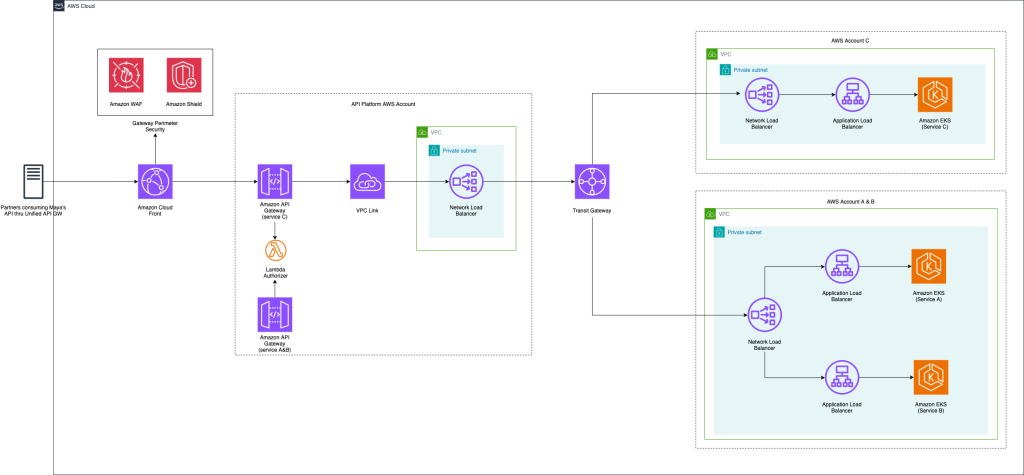
Transforming Maya’s API management with Amazon API Gateway
In this post, you will learn how Amazon Web Services (AWS) customer, Maya, the Philippines’ leading fintech company and digital bank, built an API management platform to address the growing complexities of managing multiple APIs hosted on Amazon API Gateway.
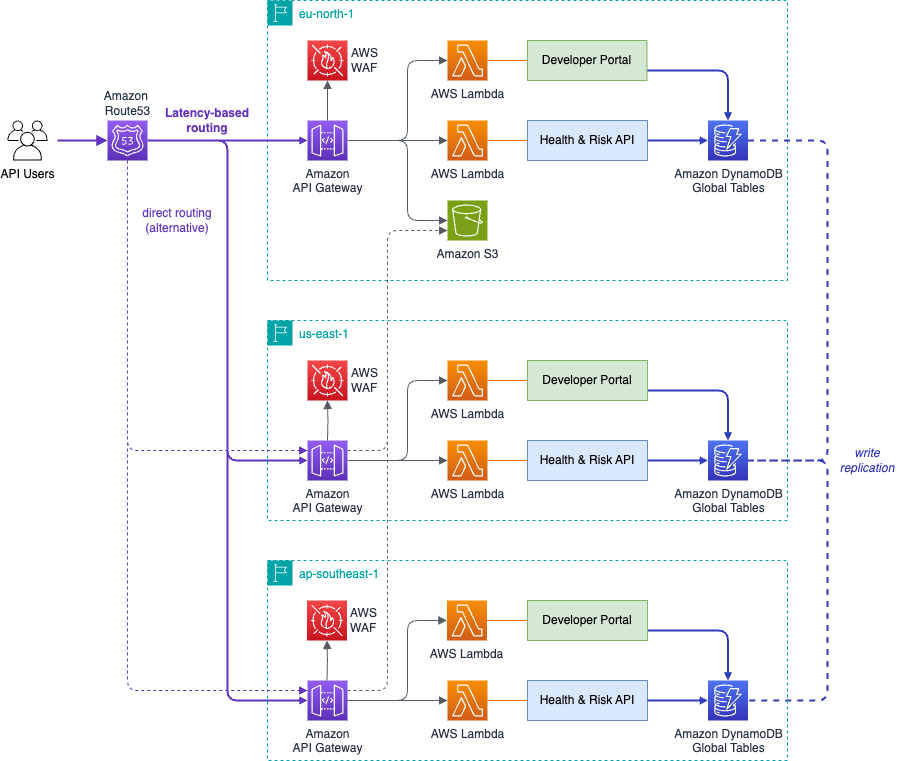
From virtual machine to Kubernetes to serverless: How dacadoo saved 78% on cloud costs and automated operations
In this post, we walk you step-by-step through dacadoo’s journey of embracing managed services, highlighting their architectural decisions as we go.
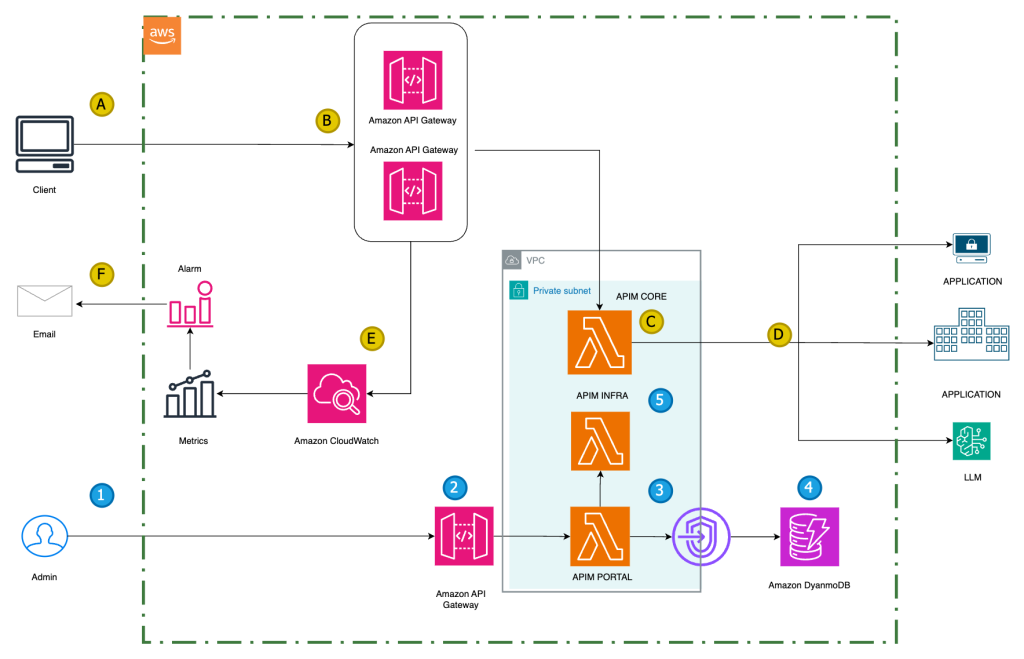
Build an enterprise API management solution using Amazon API Gateway
This blog post shows how you can use Amazon API Gateway—along with AWS Lambda, Amazon DynamoDB, and other AWS services—to create a comprehensive and customizable APIM solution. This solution addresses the complex requirements of large enterprises managing APIs at scale.
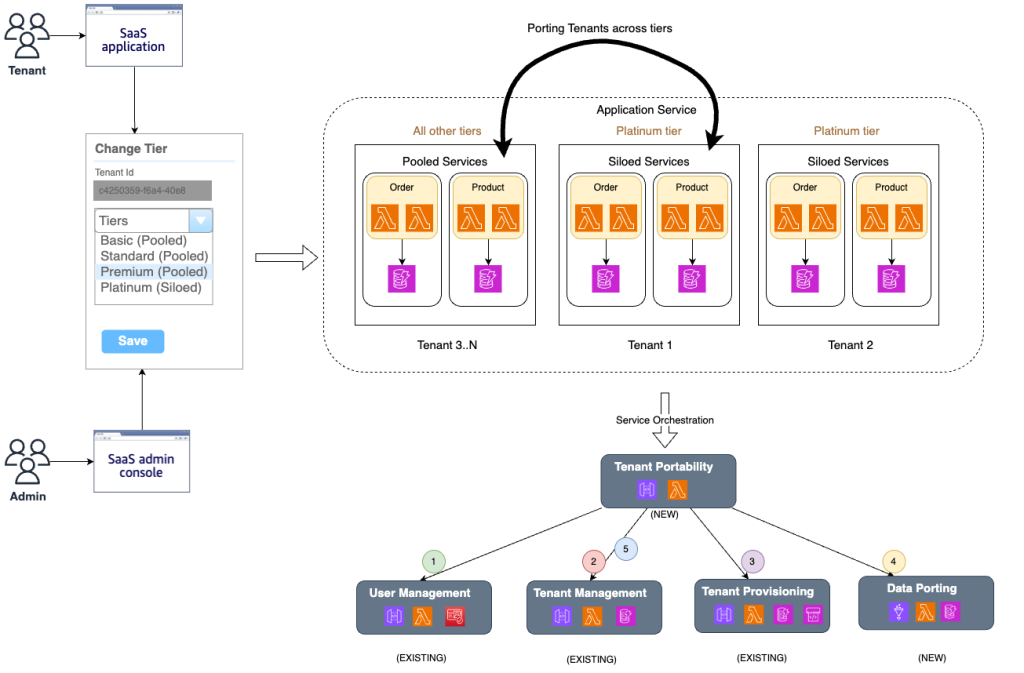
Tenant portability: Move tenants across tiers in a SaaS application
In today’s fast-paced software as a service (SaaS) landscape, tenant portability is a critical capability for SaaS providers seeking to stay competitive. By enabling seamless movement between tiers, tenant portability allows businesses to adapt to changing needs. However, manual orchestration of portability requests can be a significant bottleneck, hindering scalability and requiring substantial resources. As […]