AWS Architecture Blog
Category: Learning Levels

Hybrid Cloud Architectures Using Self-hosted Apache Kafka and AWS Glue
Using analytics to gain insights from a variety of datasets is key to successful transformation. There are many options to consider to realize the full value and potential of our data in a hybrid cloud infrastructure. Common practice is to route data produced from on-premises to a central repository or data lake. Here it can […]
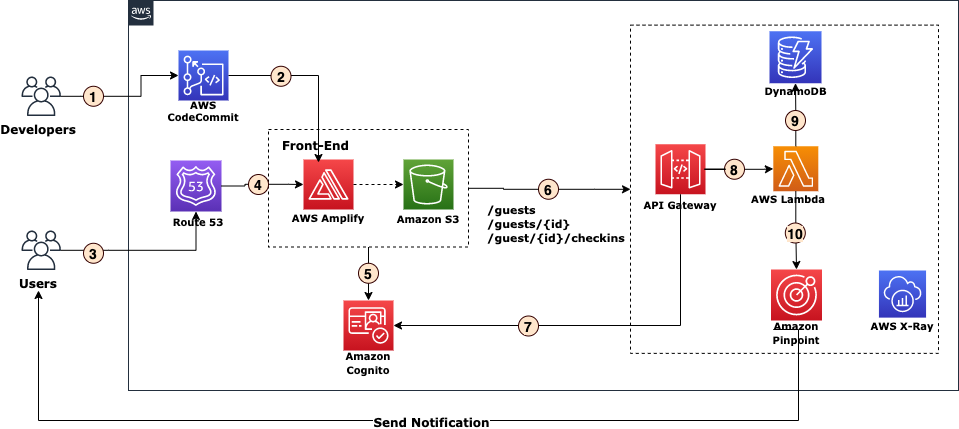
Using AWS Serverless to Power Event Management Applications
Most large events have common activities such as event registration, check-in upon arrival, and requesting of amenities. When designing applications, factors such as high availability, low latency, reliability, and security must be considered. In this blog post, we’d like to show how Amazon Web Services (AWS) can assist you in event planning activities. We’ll share […]

Emerging Solutions for Operations Research on AWS
September 8, 2021: Amazon Elasticsearch Service has been renamed to Amazon OpenSearch Service. See details. Operations research (OR) uses mathematical and analytical tools to arrive at optimal solutions for complex business problems like workforce scheduling. The mathematical techniques used to solve these problems, such as linear programming and mixed-integer programming, require the use of optimization […]
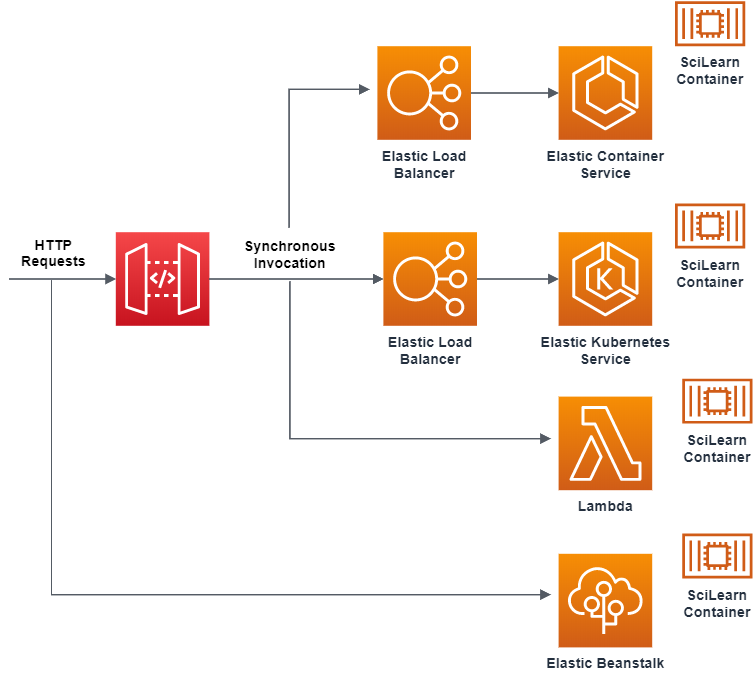
Scaling Data Analytics Containers with Event-based Lambda Functions
The marketing industry collects and uses data from various stages of the customer journey. When they analyze this data, they establish metrics and develop actionable insights that are then used to invest in customers and generate revenue. If you’re a data scientist or developer in the marketing industry, you likely often use containers for services […]
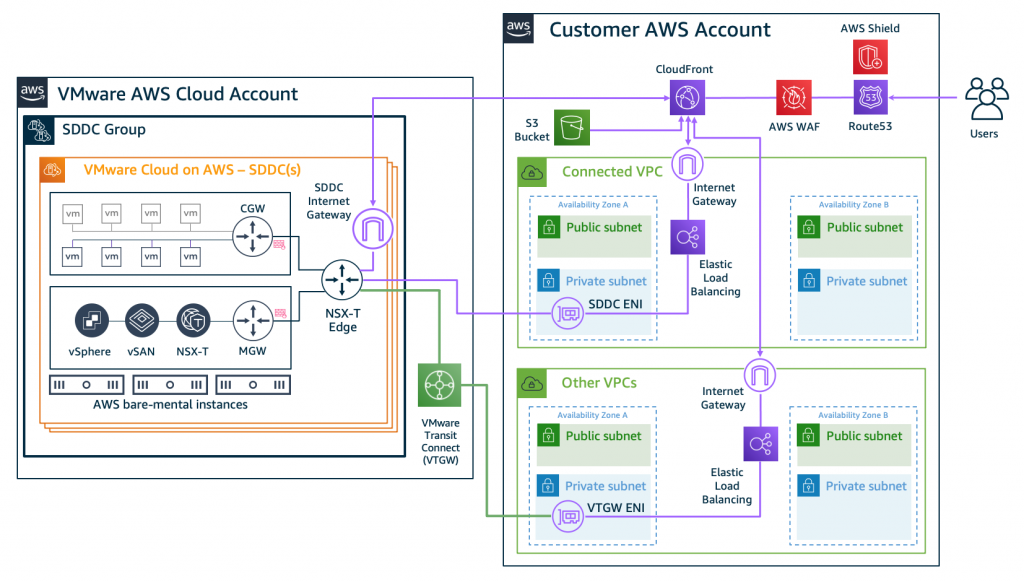
Augmenting VMware Cloud on AWS Workloads with Native AWS services
VMware Cloud on AWS allows you to quickly migrate VMware workloads to a VMware-managed Software-Defined Data Center (SDDC) running in the AWS Cloud and extend your on-premises data centers without replatforming or refactoring applications. You can use native AWS services with Virtual Machines (VMs) in the SDDC, to reduce operational overhead and lower your Total […]
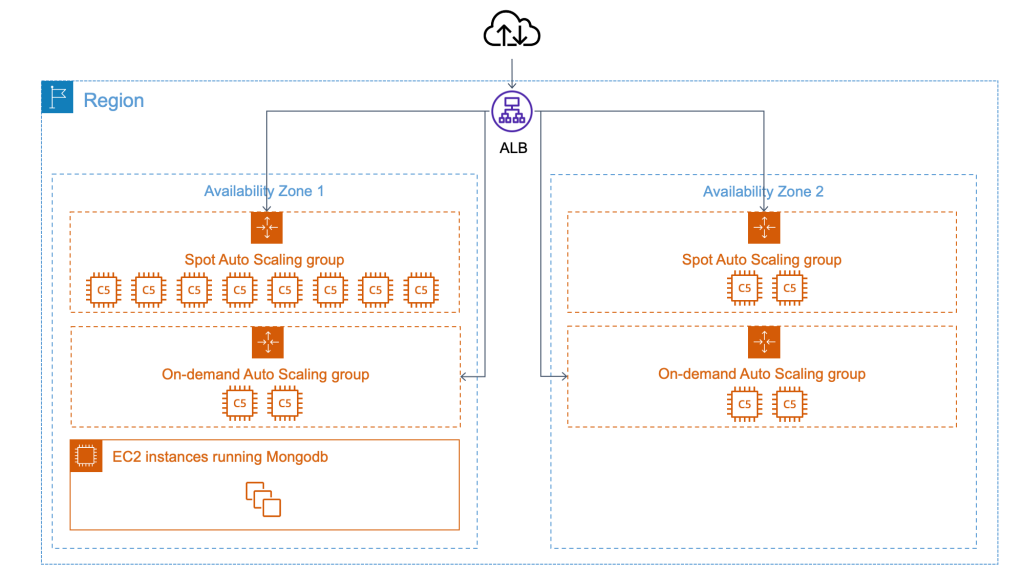
How IPONWEB Adopted Spot Instances to Run their Real-time Bidding Workloads
IPONWEB is a global leader that builds programmatic, real-time advertising technology and infrastructure for some of the world’s biggest digital media buyers and sellers. The core of IPONWEB’s business is Real-time Bidding (RTB). IPONWEB’s platform processes, transmits, and auctions huge volumes of bid requests and bid responses in real time. They are then able to determine […]
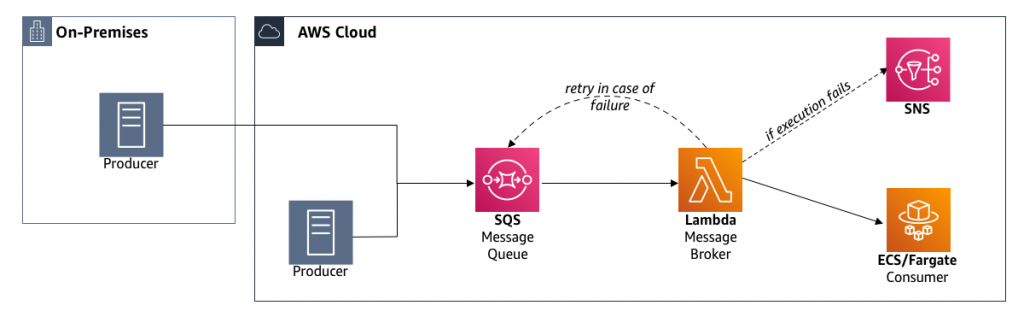
Queue Integration with Third-party Services on AWS
Commercial off-the-shelf software and third-party services can present an integration challenge in event-driven workflows when they do not natively support AWS APIs. This is even more impactful when a workflow is subject to unpredicted usage spikes, and you want to increase decoupling and fault tolerance. Given the third-party nature of services, polling an Amazon Simple […]

Automate Document Processing in Logistics using AI
Multi-modal transportation is one of the biggest developments in the logistics industry. There has been a successful collaboration across different transportation partners in supply chain freight forwarding for many decades. But there’s still a considerable overhead of paperwork processing for each leg of the trip. Tens of billions of documents are processed in ocean freight […]
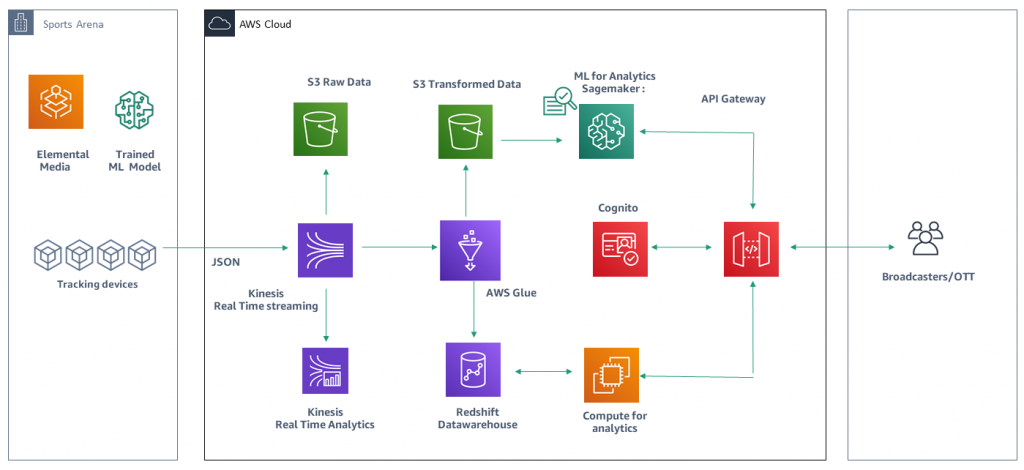
Building a Data Pipeline for Tracking Sporting Events Using AWS Services
In an evolving world that is increasingly connected, data-centric, and fast-paced, the sports industry is no exception. Amazon Web Services (AWS) has been helping customers in the sports industry gain real-time insights through analytics. You can re-invent and reimagine the fan experience by tracking sports actions and activities. In this blog post, we will highlight […]
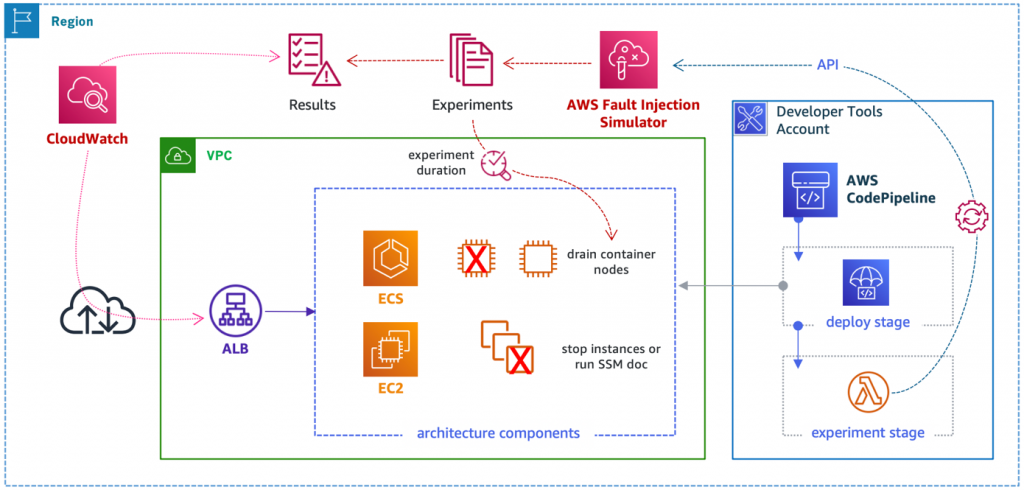
Chaos Testing with AWS Fault Injection Simulator and AWS CodePipeline
The COVID-19 pandemic has proven to be the largest stress test of our technology infrastructures in generations. A meteoric increase in internet consumption followed, due in large part to working and schooling from home. The chaotic, early months of the pandemic have clearly demonstrated the value of resiliency in production. How can we better prepare […]