Containers
Tag: Amazon EKS
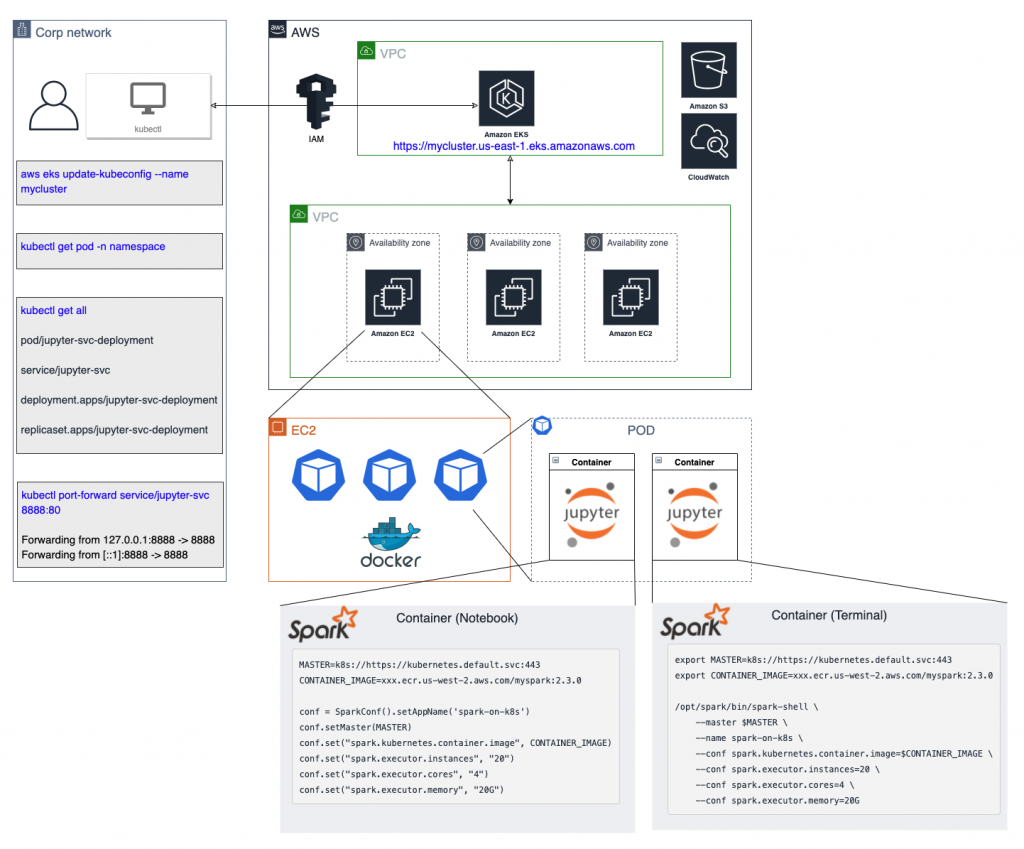
Advertising click-prediction modeling on Amazon EKS
In digital advertising, the ad click-through rate (CTR) model predicts the probability of a click given the ads and context x (for example, shopping query, time of the day, device). The output of a CTR model can be seen as a conditional probability p(y = click|x). A precise estimation of this probability influences our ability […]
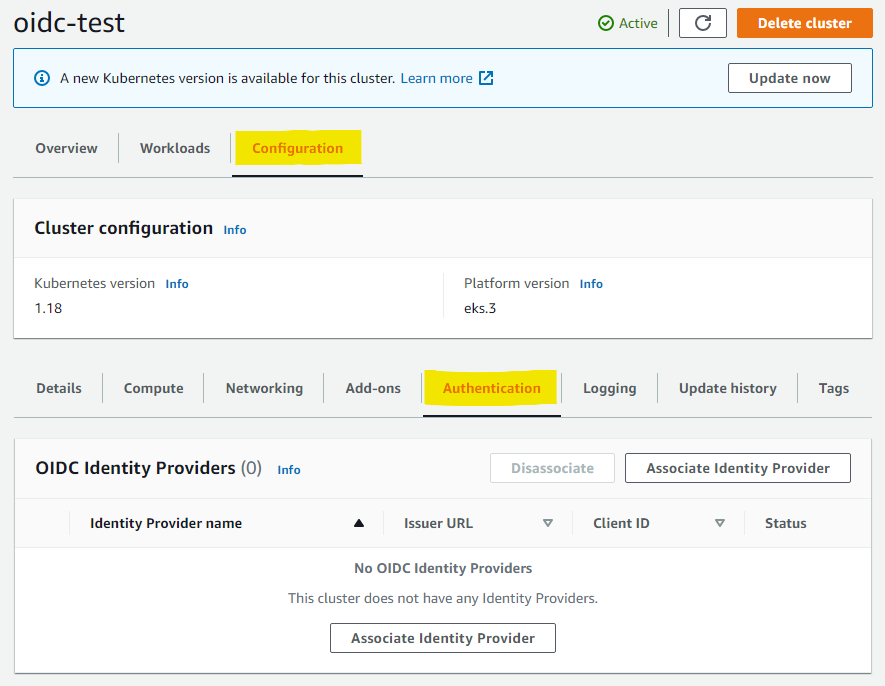
Introducing OIDC identity provider authentication for Amazon EKS
Today, we introduced user authentication for Amazon EKS clusters from an OpenID Connect (OIDC) Identity Provider (IDP). This feature allows customers to integrate an OIDC identity provider with a new or existing Amazon EKS cluster running Kubernetes version 1.16 or later. The OIDC IDP can be used as an alternative to, or along with AWS […]

Authenticating with Docker Hub for AWS Container Services
Docker Hub has recently updated its terms of service to introduce rate limits for container image pulls. While these limits don’t apply to accounts under a Pro or Team plan, anonymous users are limited to 100 pulls per 6 hours per IP address, and authenticated free accounts are limited to 200 pulls per 6 hours. […]
Using EBS Snapshots for persistent storage with your EKS cluster
Originally, containers were a great fit for stateless applications. However, for many use cases there is a need for persistent storage, without which stateful workloads are not possible. Kubernetes first introduced support for stateful workloads with in-tree volume plugins, meaning that the plugin code was part of the core Kubernetes code and shipped with the […]
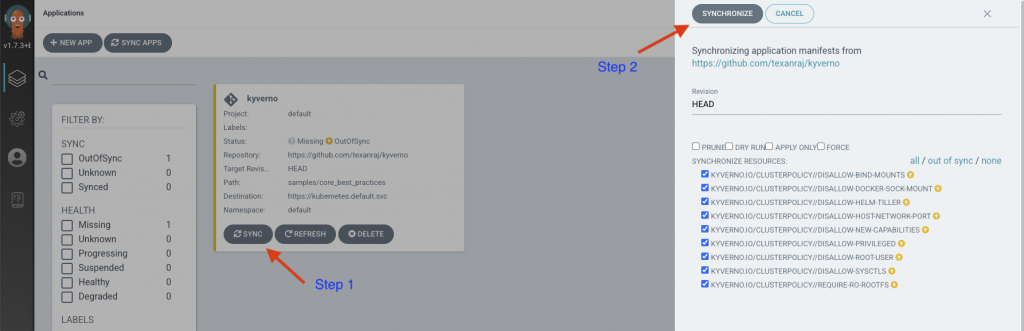
Easy as one-two-three policy management with Kyverno on Amazon EKS
This post is contributed by Raj Seshadri and Jimmy Ray As containers are used in cloud native production environments, DevOps and security teams need to gain real-time visibility into container activity, restrict container access to host and network resources, and detect and prevent exploits and attacks on running containers. Kyverno is a policy engine for […]
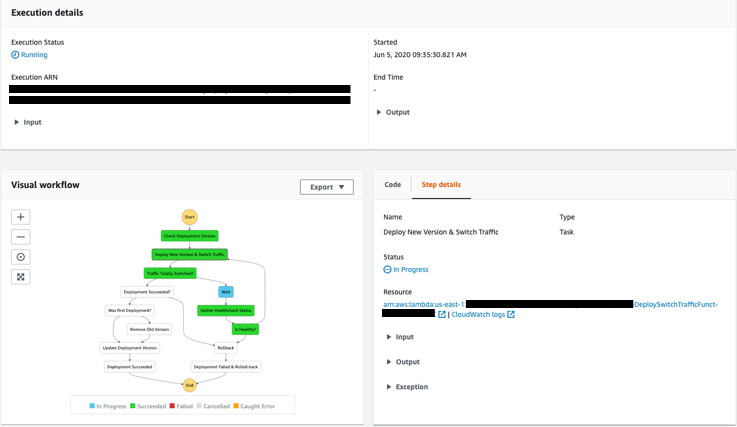
Introducing AWS Step Functions integration with Amazon EKS
This is my first post on AWS Container Blog since I joined AWS and I could not be more excited to talk about two technologies now working together: Serverless and Kubernetes, or more specifically AWS Step Functions and Amazon Elastic Kubernetes Service. In my previous role, I envisioned to build a web application that would […]
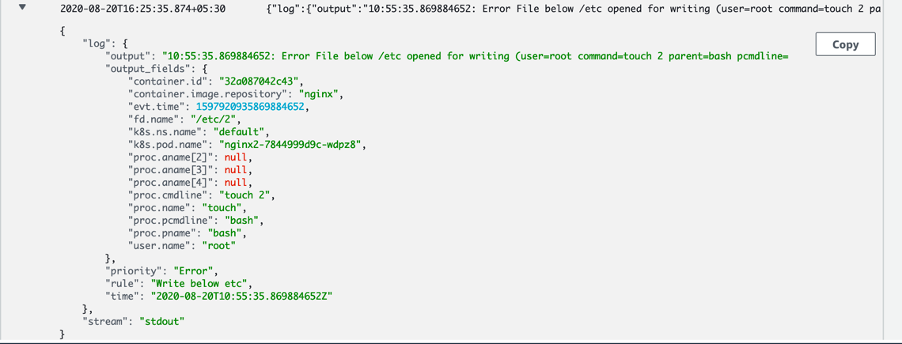
Implementing Runtime security in Amazon EKS using CNCF Falco
Many organisations are in the process of migrating their applications to containers. Containers provide application-level dependency management, speedy launches, and support immutability. This can help reduce costs, increase velocity, and improve on efficiency. For securely managing the container lifecycle, container image hardening, and end-to-end security checks are critical factors. Containers need to be secured by […]
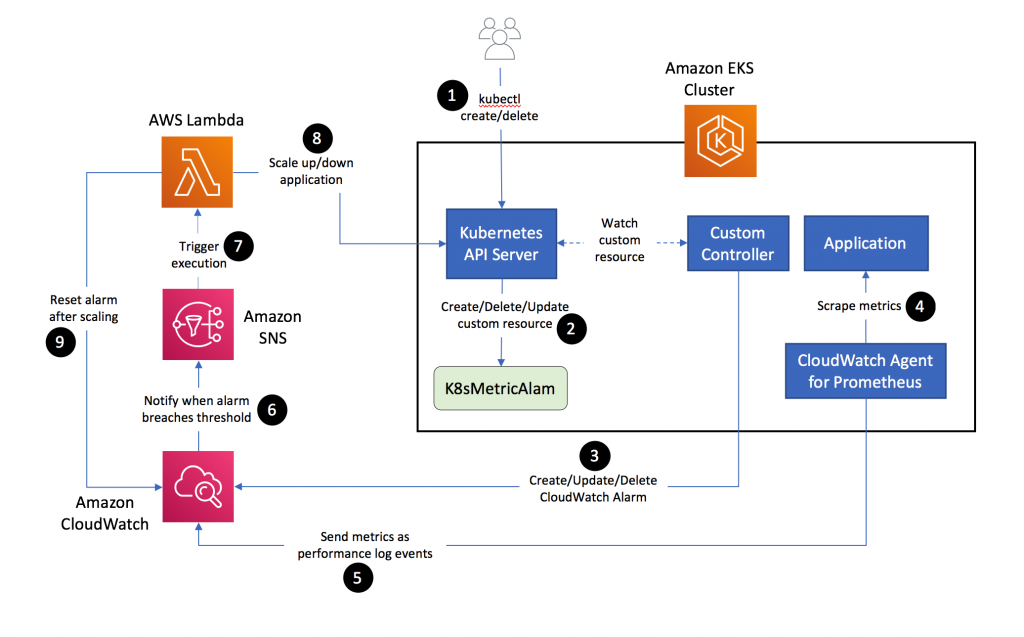
Autoscaling Amazon EKS services based on custom Prometheus metrics using CloudWatch Container Insights
Introduction In a Kubernetes cluster, the Horizontal Pod Autoscaler can automatically scale the number of Pods in a Deployment based on observed CPU utilization and memory usage. The autoscaler depends on the Kubernetes metrics server, which collects resource metrics from Kubelets and exposes them in Kubernetes API server through Metrics API. The metrics server has […]
Developing an application based on multiple microservices using AWS Copilot and AWS Fargate
Introduction On July 9, 2020, we introduced AWS Copilot, a new command line interface (CLI) to build, release, and operate production ready containerized applications on Amazon Elastic Container Service (Amazon ECS) and AWS Fargate. In this post, we walk you through how to communicate between microservices with service discovery using AWS Copilot. You can also refer to […]
Register for AWS Container Day to Learn About Kubernetes, Amazon EKS, AWS Fargate, Bottlerocket, and More!
Previous AWS Container Day events have included a number of discussions and deep dives on running Kubernetes at AWS – and now we are bringing this content right to your home! Join us for the first-ever virtual Container Day on August 17th, 8:00 AM – 4:00 PM (PDT). Check out the agenda and some of […]