Containers
Tag: Amazon EKS

Backup and restore your Amazon EKS cluster resources using Velero
September 9th, 2023: This post was originally published December 1, 2021. We’ve updated the walkthrough instructions of this blog post to support the latest EKS versions and changes to the Velero Helm chart. Companies worldwide are adopting containers to encapsulate their microservices, and many of them choose Kubernetes for automating deployment, scaling, and managing their […]

Amazon EKS adds native support for Bottlerocket in Managed Node Groups
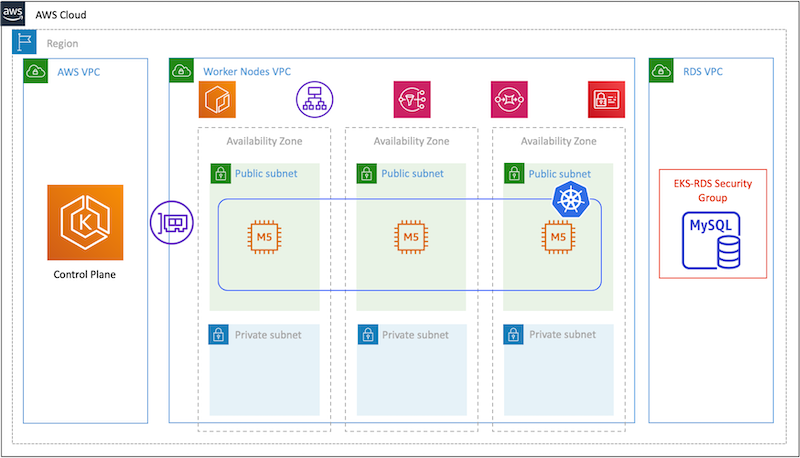
Today, Amazon Elastic Kubernetes Services (Amazon EKS) announces native support for Bottlerocket in managed node groups. Bottlerocket is a Linux-based open-source operating system that is purpose-built by Amazon. It focuses on security and maintainability, and provides a reliable, consistent, and safe platform for container-based workloads. Amazon EKS managed node groups with Bottlerocket support enables you […]
Implementing the Saga Orchestration pattern with Amazon EKS and Amazon SNS
This blog post proposes an ecommerce scenario with an Orders microservice, an Orders Rollback microservice and an Inventory microservice that communicate with each other. This communication happens while raising an order successfully or rolling back an order when the Inventory microservice reports an error. This communication is orchestrated with Amazon Simple Notification Service (Amazon SNS) […]
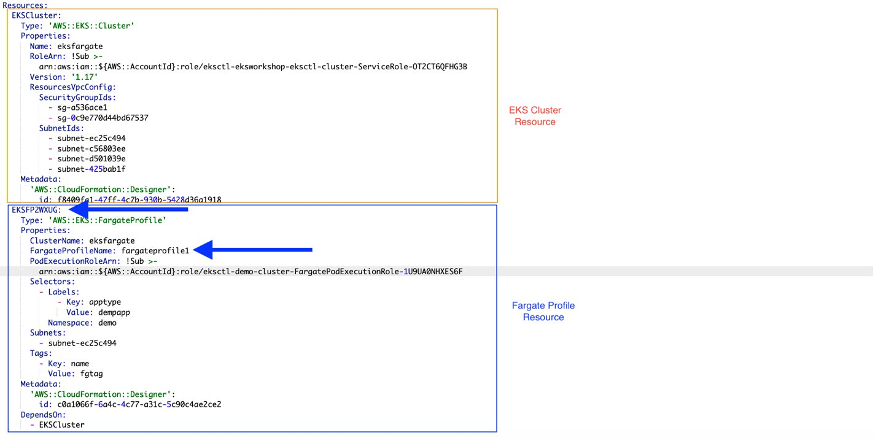
Use CloudFormation to automate management of the Fargate profile in Amazon EKS
Organizations are embracing microservices architectures and container-based deployments to gain agility, scalability, isolation, and separation of concerns. AWS Fargate, the serverless compute engine for running containers in the AWS Cloud, improves agility by taking away the undifferentiated heavy lifting of worker node provisioning and management. With Fargate, organizations can focus on building applications and application […]
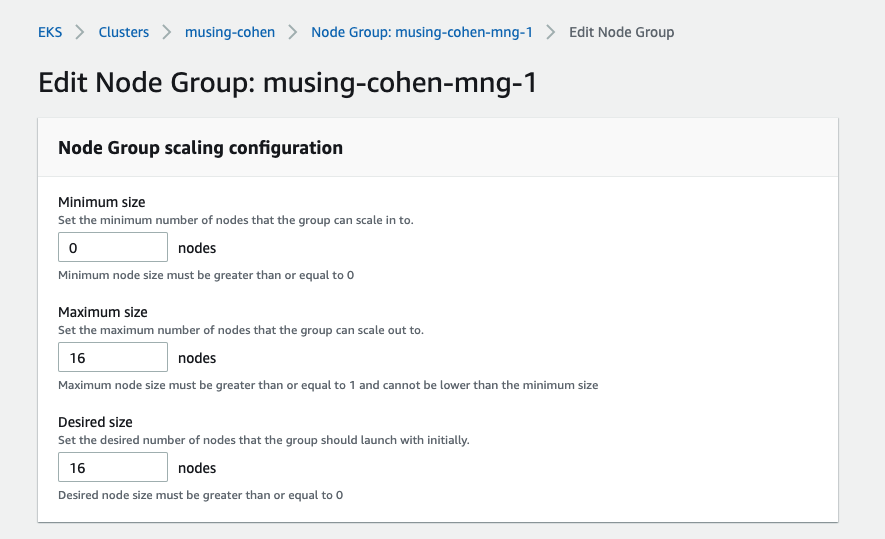
Catching up with Managed Node Groups in Amazon EKS
Since its launch in 2018, Amazon Elastic Kubernetes Service (Amazon EKS) has continued to deliver upon and expand its mission to simplify the process of building, securing, operating, and maintaining Kubernetes clusters. The first realization of that mission was a managed Kubernetes control plane, swapping the heavy lifting of provisioning, curating, and assembling the various […]
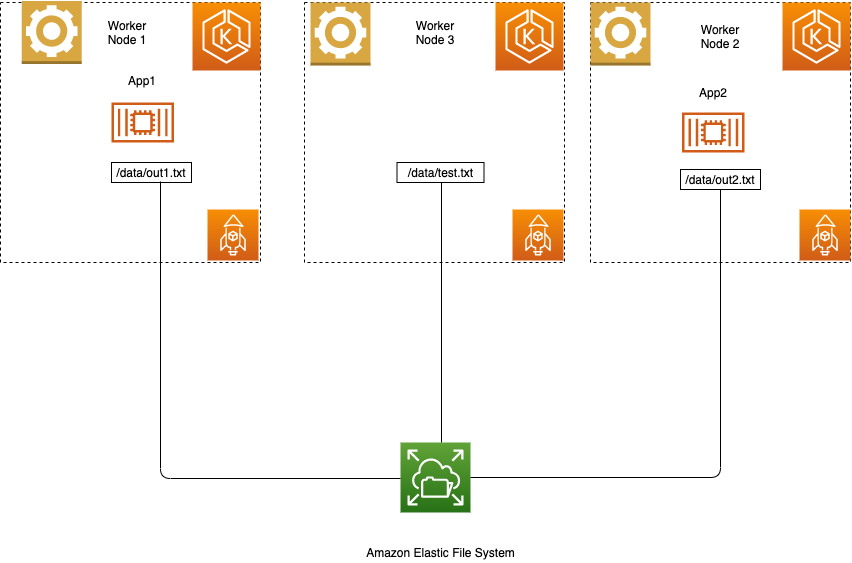
Persistent Storage using EFS for EKS on Bottlerocket
In this post, we discuss about how to achieve persistent storage with Amazon Elastic Kubernetes Service (Amazon EKS) clusters running on Bottlerocket OS with Amazon Elastic File System (Amazon EFS). Persistent storage is needed for long running stateful applications to persist state for high availability or to scale out around shared datasets. This is true […]
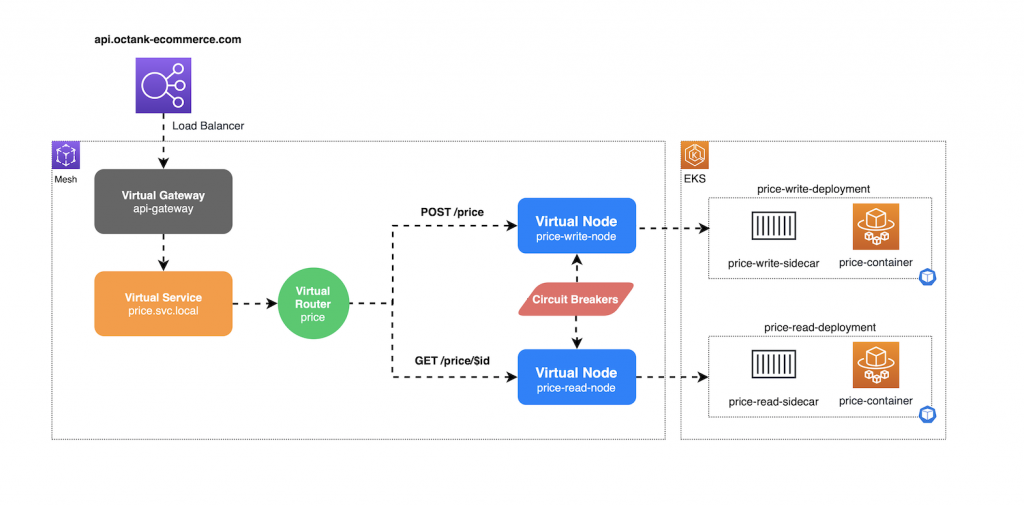
Building a fault tolerant architecture with a Bulkhead Pattern on AWS App Mesh
NOTICE: October 04, 2024 – This post no longer reflects the best guidance for configuring a service mesh with Amazon ECS and Amazon EKS, and its examples no longer work as shown. For workloads running on Amazon ECS, please refer to newer content on Amazon ECS Service Connect, and for workloads running on Amazon EKS, […]
Modernize Java and .NET applications remotely using AWS App2Container
Since the launch of AWS App2Container, customers have been asking for the ability to remotely manage the migrations of Java and .NET applications running on Windows or Linux hosts. Beginning with the version 1.2 of App2Container, users can accomplish containerization of their workloads without installing A2C software on the application servers. The remote execution feature […]
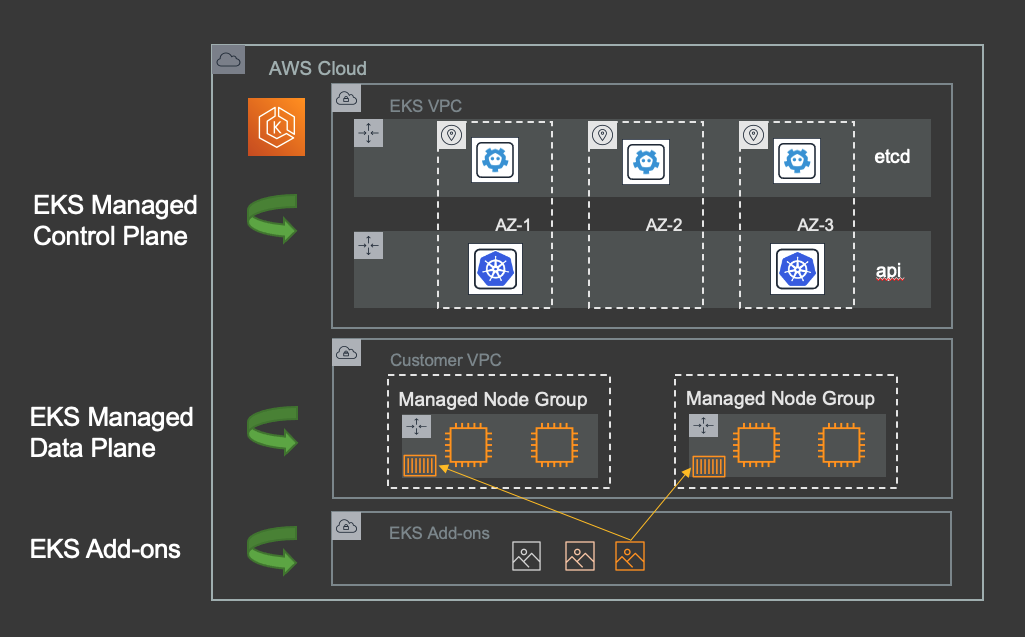
Planning Kubernetes Upgrades with Amazon EKS
In February, Amazon Elastic Kubernetes Service (Amazon EKS) released support for Kubernetes version 1.19. We announced this through the usual mechanisms with our What’s New post and updates in Amazon EKS documentation. After some conversations both internally and with our customers, we have decided to start regular AWS Containers blog posts on Amazon EKS Kubernetes […]
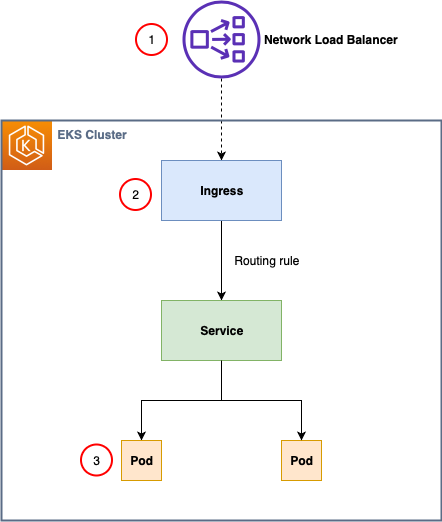
Setting up end-to-end TLS encryption on Amazon EKS with the new AWS Load Balancer Controller
In this blog post, I’ll show you how to set up end-to-end encryption on Amazon Elastic Kubernetes Service(Amazon EKS). End-to-end encryption in this case refers to traffic that originates from your client and terminates at an NGINX server running inside a sample app. I work with regulated customers who need to satisfy regulatory requirements like […]