Containers
Tag: Amazon EKS
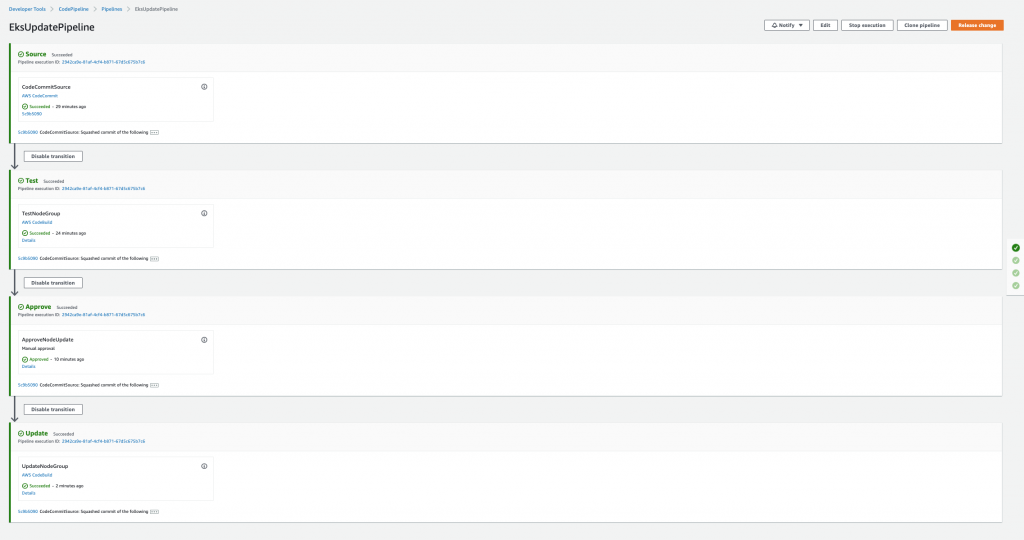
Automating Amazon EKS cluster testing with custom machine images
AWS recently launched a new service, EC2 Image Builder, which automates and simplifies the creation, maintenance, and validation of Amazon Machine Images (AMIs). Many of our customers are using this service to generate their own customized, hardened images. In this post, we will demonstrate how you can automatically test your Amazon Elastic Kubernetes Service (Amazon […]
Introducing Ingress support in AWS App Mesh
NOTICE: October 04, 2024 – This post no longer reflects the best guidance for configuring a service mesh with Amazon ECS and Amazon EKS, and its examples no longer work as shown. For workloads running on Amazon ECS, please refer to newer content on Amazon ECS Service Connect, and for workloads running on Amazon EKS, […]
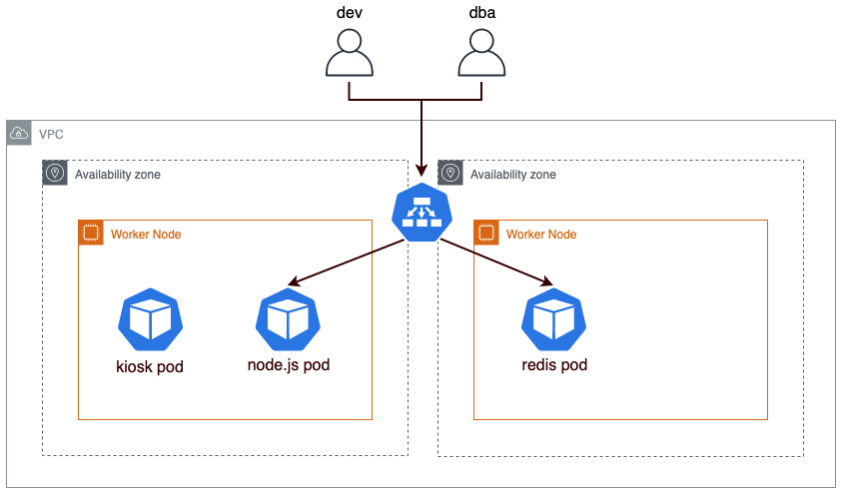
Set up soft multi-tenancy with Kiosk on Amazon Elastic Kubernetes Service
Introduction Achieving complete isolation between multiple tenants running in the same Kubernetes cluster is impossible today. The reason is because Kubernetes was designed to have a single control plane per cluster and all the tenants running in the cluster, share the same control plane. Hosting multiple tenants in a single cluster brings some advantages, the […]
Using Amazon FSx for Windows File Server on EKS Windows Containers
This blog post is deprecated and the solution is no longer valid. Please refer to the new solution that uses CSI Driver posted in the following blog post: Using SMB CSI Driver on Amazon EKS Windows nodes. Recently, we published a blog post on using Amazon FSx for Windows File Server as persistent storage for […]

Improved Amazon EKS console for cluster creation and management
We recently announced an updated Amazon EKS console experience to create clusters, management, and supporting documentation. In this blog post, we dive into the updates we have made and how they aim to help our customers and cluster administrators when creating clusters using the Amazon EKS console. 1. Multi-step cluster create flow EKS now includes […]
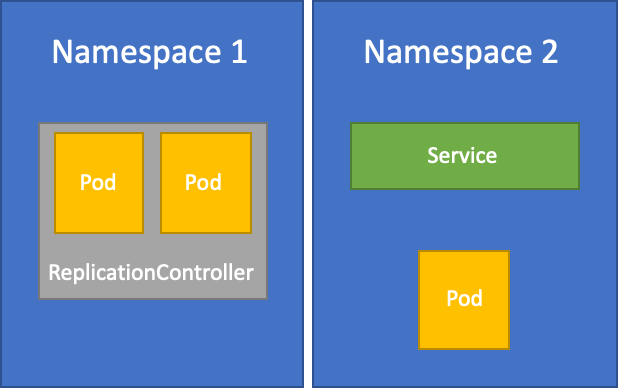
Multi-tenant design considerations for Amazon EKS clusters
This post was contributed by Roberto Migli, AWS Solutions Architect. Amazon Elastic Kubernetes Service (Amazon EKS) is used today by thousands of customers to run container applications at scale. One of the common questions that often we hear is: how do we provide a multi-tenant Amazon EKS cluster to our teams? Should I run one cluster, […]
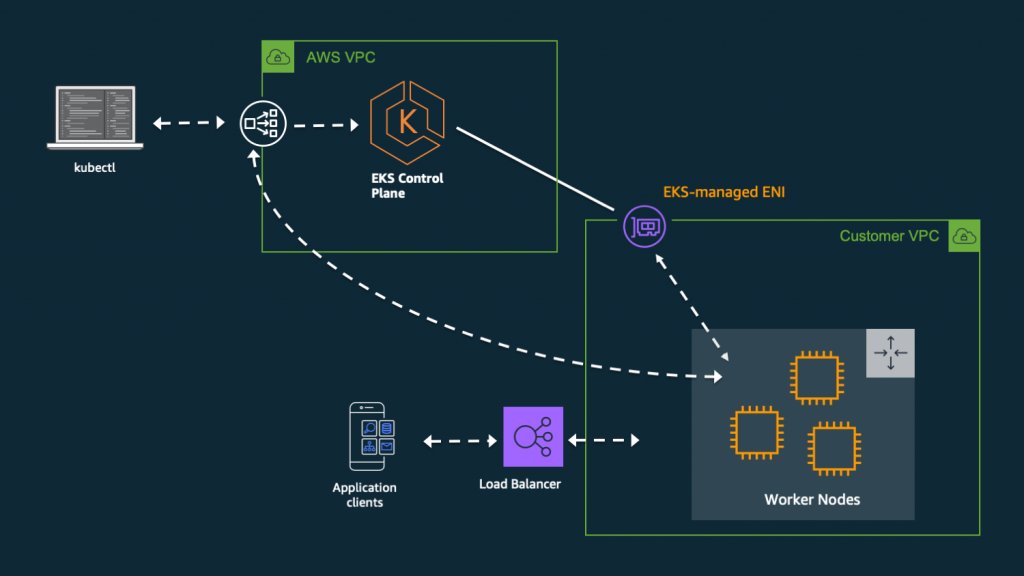
De-mystifying cluster networking for Amazon EKS worker nodes
Running Kubernetes on AWS requires an understanding of both AWS networking configuration and Kubernetes networking requirements. When you use the default Amazon Elastic Kubernetes Service (Amazon EKS) AWS CloudFormation templates to deploy your Amazon Virtual Private Cloud (Amazon VPC) and Amazon EC2 worker nodes, everything typically just works. But small issues in your configuration can result […]

Access Logging Made Easy with AWS App Mesh and Fluent Bit
NOTICE: October 04, 2024 – This post no longer reflects the best guidance for configuring a service mesh with Amazon ECS and Amazon EKS, and its examples no longer work as shown. For workloads running on Amazon ECS, please refer to newer content on Amazon ECS Service Connect, and for workloads running on Amazon EKS, […]
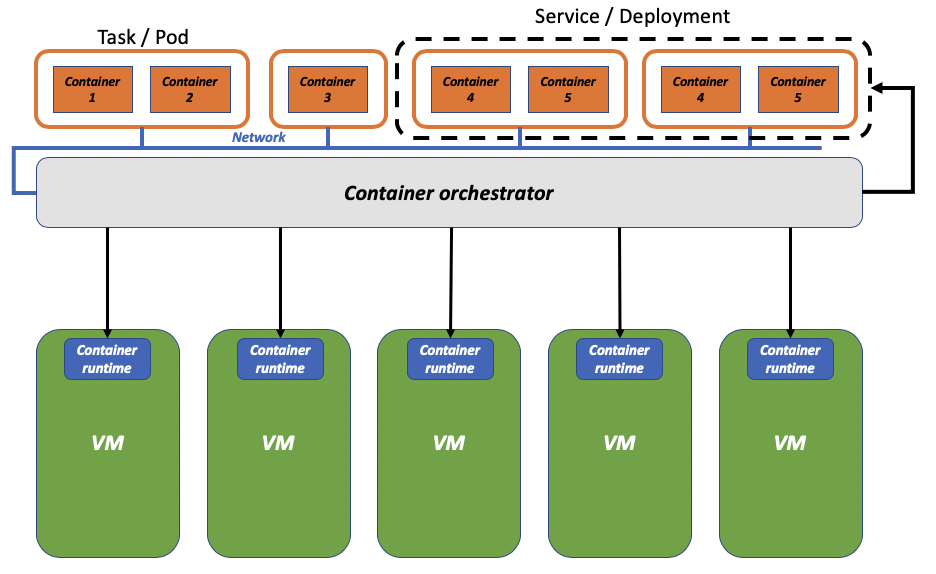
The role of AWS Fargate in the container world
In 2017, we introduced a serverless service to run containers at scale called AWS Fargate. Today, customers are launching tens of millions of containers on it every week. Customers keep telling us that the reason they love Fargate is because it removes a lot of the infrastructure undifferentiated heavy lifting. For example, they no longer […]

App Mesh Integration with AWS ALB Ingress Controller
NOTICE: October 04, 2024 – This post no longer reflects the best guidance for configuring a service mesh with Amazon EKS and its examples no longer work as shown. Please refer to newer content on Amazon VPC Lattice. ——– AWS App Mesh is a service mesh that provides application-level networking to make it easy for […]