AWS Architecture Blog
Category: Amazon RDS

Manage your Digital Microscopy Data using OMERO on AWS
The Open Microscopy Environment (OME) consortium develops open-source software and format standards for microscopy data. OME Remote Objects (OMERO) is an open source, image data management platform designed to support digital pathology and cellular biology studies. You can access, share, and work with various biological data. This can include histopathology, high content screening, electron microscopy, […]

Overview of Data Transfer Costs for Common Architectures
Data transfer charges are often overlooked while architecting a solution in AWS. Considering data transfer charges while making architectural decisions can help save costs. This blog post will help identify potential data transfer charges you may encounter while operating your workload on AWS. Service charges are out of scope for this blog, but should be […]
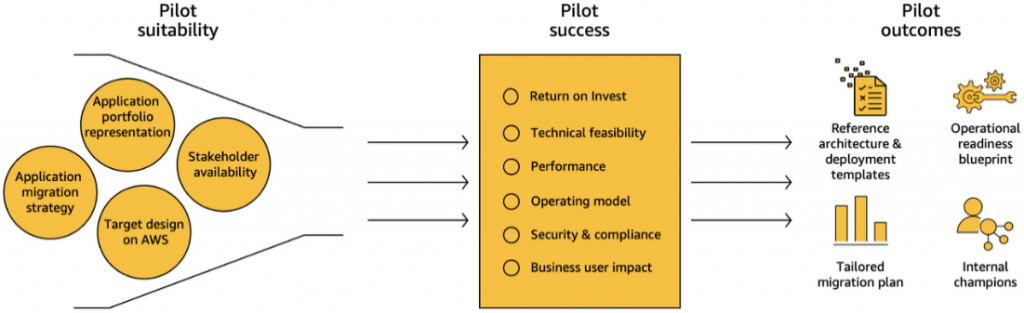
Designing a Successful Pilot Phase for Your Cloud Migration
Pilot phases, or pilots, as we will call them from now on, should be conducted to test and find the positive and negative aspects of a particular use case, design pattern, or application migration approach. They allow you to validate the foundation of your architecture (for example, with a landing zone governed by AWS Control […]
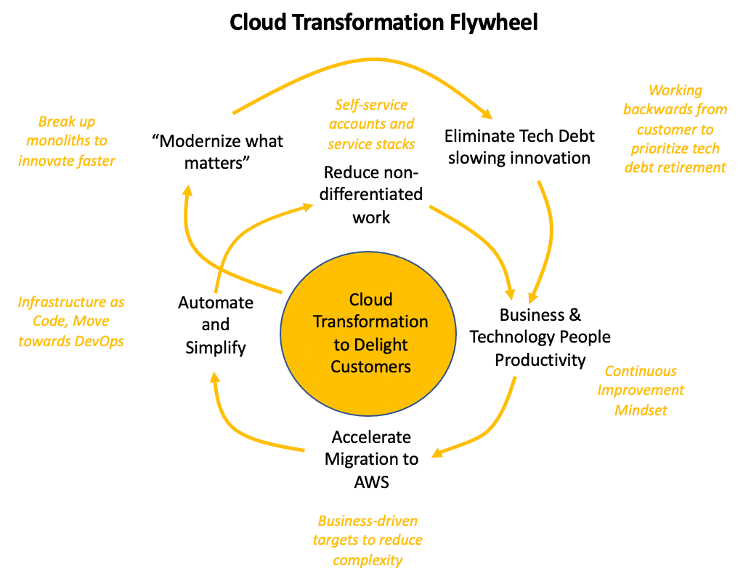
Making Effective Decisions for Your V1 AWS Design
In reviewing your existing business application portfolio to create V1 AWS designs—the first architecture design for moving to AWS—we must address two main factors that often inhibit progress: Your technology teams must find a clear path forward that balances modernization and migration. You must provide clear criteria to transform your platforms and also continue to […]
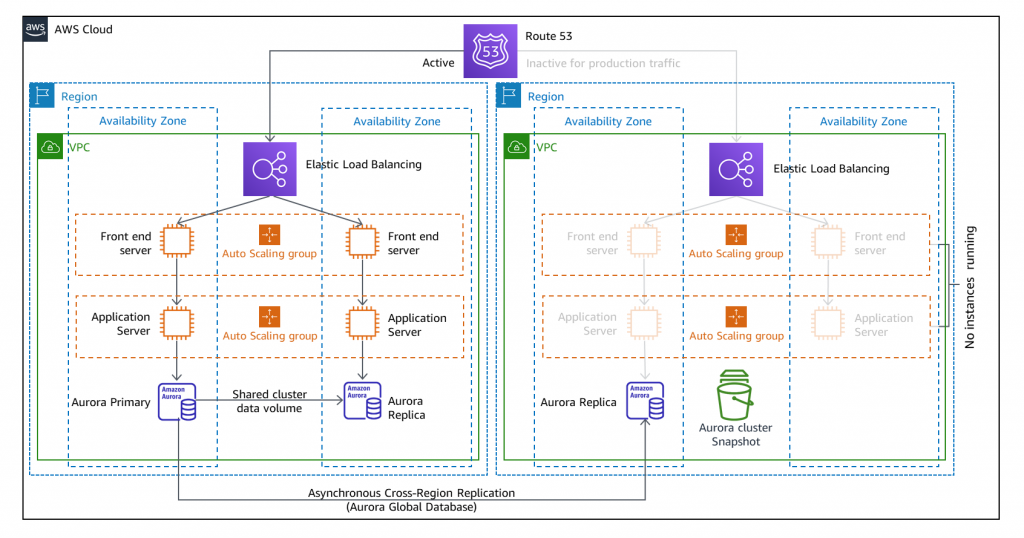
Disaster Recovery (DR) Architecture on AWS, Part III: Pilot Light and Warm Standby
In this blog post, you will learn about two more active/passive strategies that enable your workload to recover from disaster events such as natural disasters, technical failures, or human actions. Previously, I introduced you to four strategies for disaster recovery (DR) on AWS. Then we explored the backup and restore strategy. Now let’s learn about […]

Reduce Operational Load using AWS Managed Services for your Data Solutions
As the volume of customers’ data grows, companies are realizing the benefits that data has for their business. Amazon Web Services (AWS) offers many database and analytics services, which give companies the ability to build complex data management workloads. At the same time, these services can reduce the operational overhead compared to traditional operations. Using […]
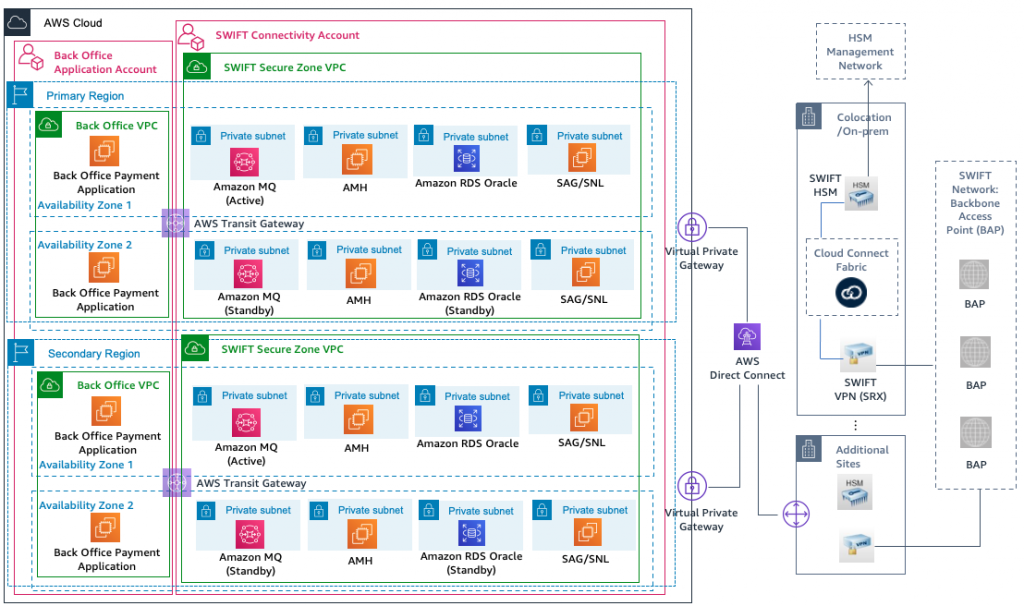
Architecting SWIFT Connectivity on Amazon Web Services (AWS)
The adoption of the ISO 20022 messaging standard by the financial industry will benefit all participants across the payments chain: banks, market infrastructures, corporate, and consumers. By moving the SWIFT messaging and communications infrastructure stack onto AWS, customers can speed their adoption of ISO 20022. At the same time, they can reduce costs, and improve […]

Journey to Adopt Cloud-Native Architecture Series: #2 – Maximizing System Throughput
In the last blog, Preparing your Applications for Hypergrowth, we talked about hypergrowth and the technical challenges it presents to companies. As a reminder, we presented an example ecommerce company running a monolithic application on Elastic Compute Cloud (Amazon EC2). This application connects with Amazon Relational Database Service (Amazon RDS). The company recently experienced a […]
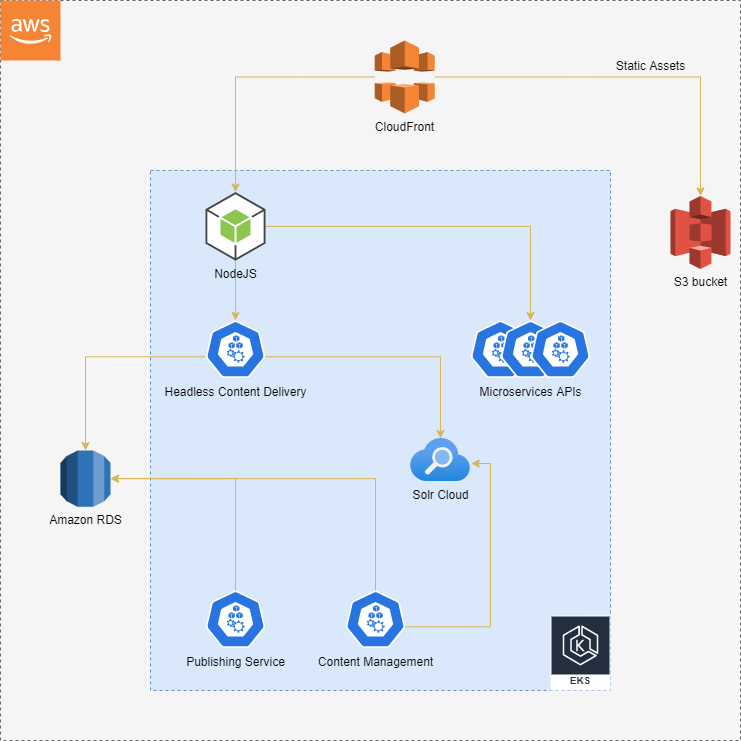
LeasePlan Sitecore Implementation with Amazon EKS
LeasePlan is one of the world’s leading car leasing companies, with 1.9 million vehicles in more than 30 countries. They manage the entire lifecycle of their fleet, from purchase and maintenance to the sale of returned lease cars. Sitecore is a leading content management system in the enterprise market. It allows organizations to combine content […]

Journey to Adopt Cloud-Native Architecture Series: #1 – Preparing your Applications for Hypergrowth
In this blog series, we take an example ecommerce company and talk about their challenges due to hypergrowth. Their journey from running monolith applications to running cloud-native applications will provide you architecture patterns and strategies you can adopt to become more agile and innovative. Later in the series, we show you how to address immediate […]