AWS Architecture Blog
Category: Amazon Aurora
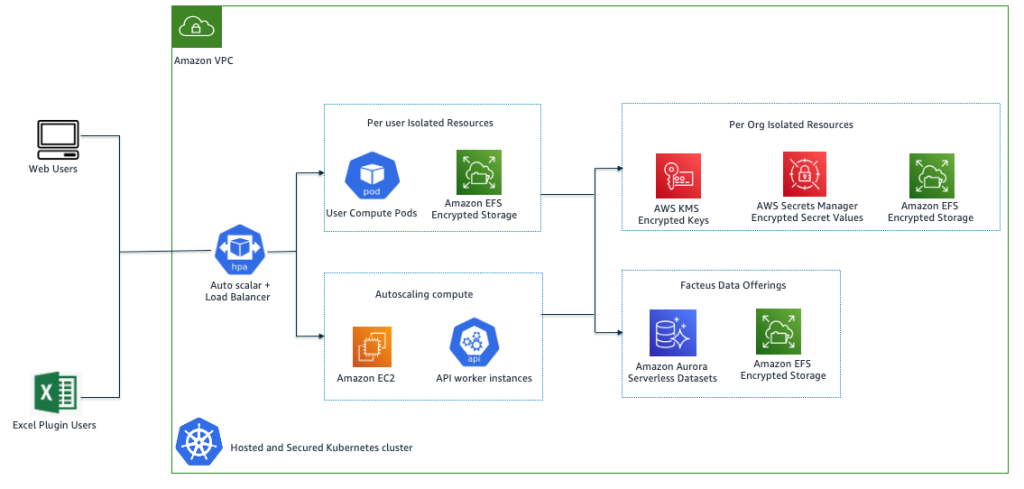
How Facteus improved Quantamatics performance by adopting Amazon Aurora Serverless and Amazon EKS
April, 2026: Aurora Serverless v2 has been renamed Aurora serverless. No action required. Facteus Inc. is a leading provider of actionable insights from sensitive transaction data. Facteus safely transforms raw financial transaction data from legacy technologies into actionable information, without compromising data privacy, through its innovative synthetic data process. Quantamatics is one of Facteus’ core […]
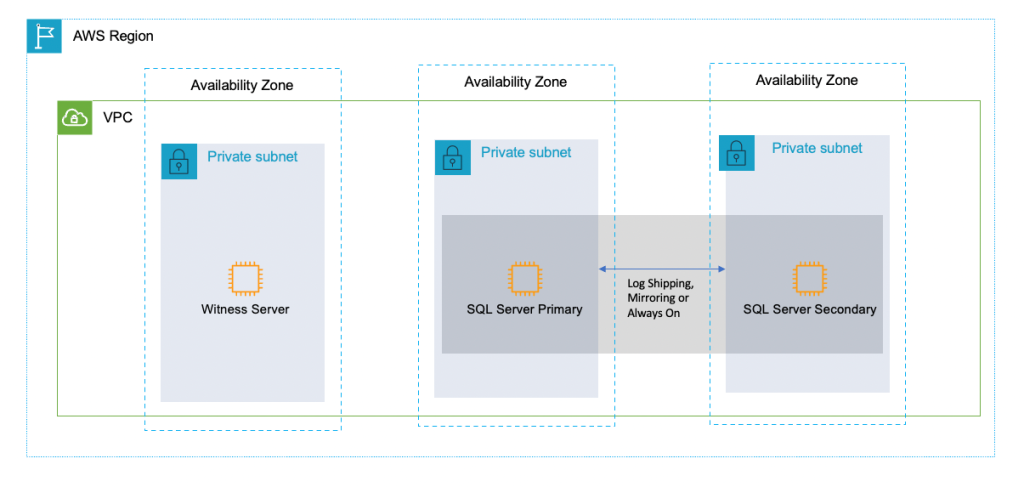
Considerations for modernizing Microsoft SQL database service with high availability on AWS
Many organizations have applications that require Microsoft SQL Server to run relational database workloads: some applications can be proprietary software that the vendor mandates Microsoft SQL Server to run database service; the other applications can be long-standing, home-grown applications that included Microsoft SQL Server when they were initially developed. When organizations migrate applications to AWS, […]
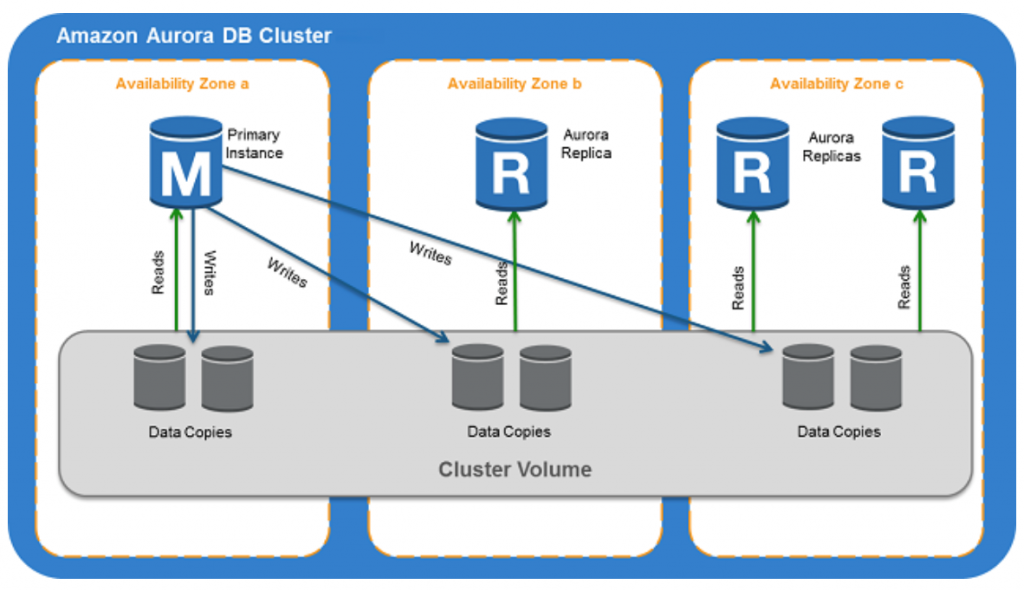
Selecting the right database and database migration plan for your workloads
There has been a tectonic shift in the approach to hosting enterprise workloads. Companies are rapidly moving from on-premises data centers to cloud-based services. The driving factor has been the ability to innovate faster on the cloud. Your transition to cloud can be straightforward, but it does go beyond the usual ‘lift-and-shift’ approach. To start […]
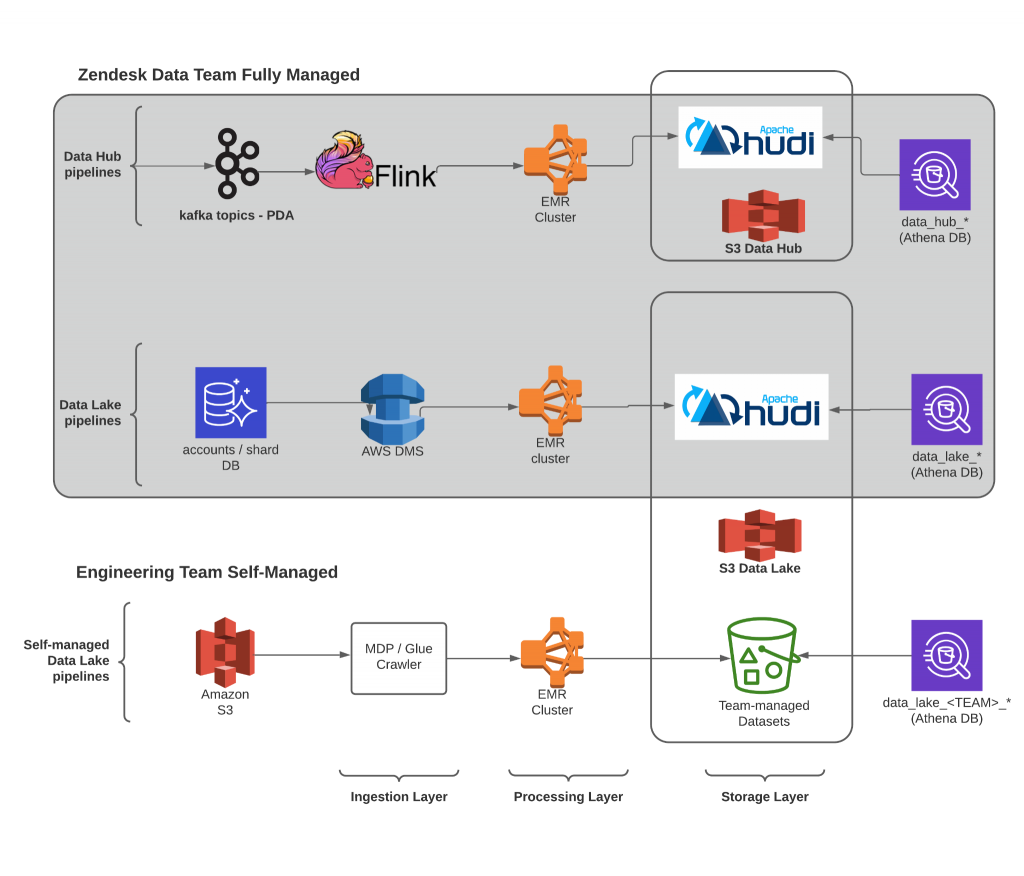
Insights for CTOs: Part 3 – Growing your business with modern data capabilities
This post was co-wrtiten with Jonathan Hwang, head of Foundation Data Analytics at Zendesk. In my role as a Senior Solutions Architect, I have spoken to chief technology officers (CTOs) and executive leadership of large enterprises like big banks, software as a service (SaaS) businesses, mid-sized enterprises, and startups. In this 6-part series, I share […]
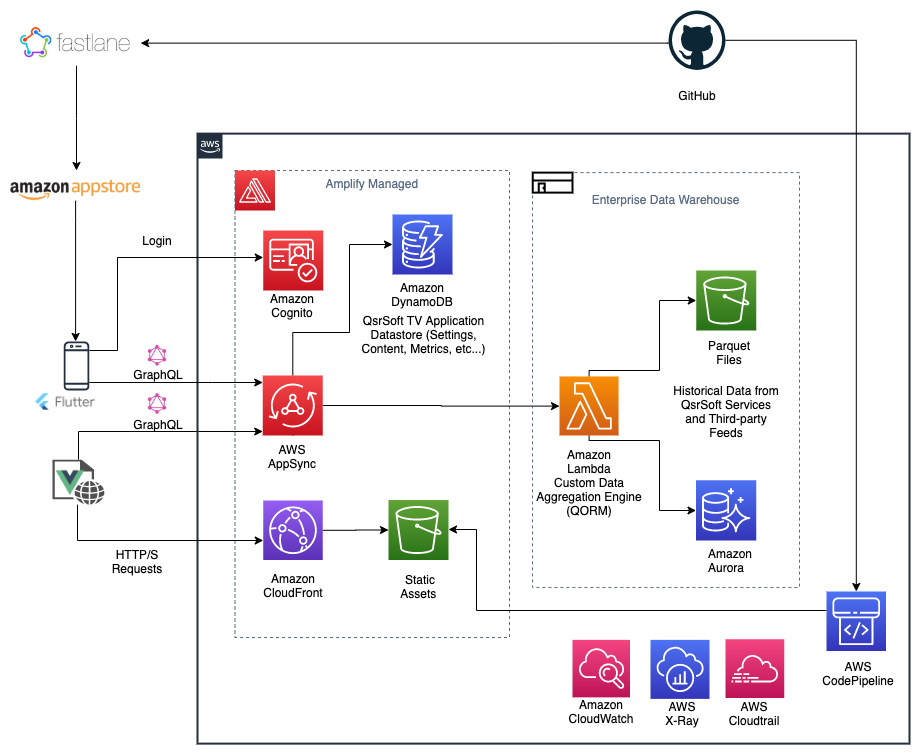
QsrSoft launches Digital Huddle Board in 3 months with AWS serverless and Fire devices
QsrSoft is a software as a service (SaaS) company that develops solutions for clients in the restaurant, hospitality, and retail industries to help them achieve operational excellence. QsrSoft has provided these services for more than two decades and now services over 14,000 locations. QsrSoft started using AWS in 2015 and fully migrated all their workloads […]
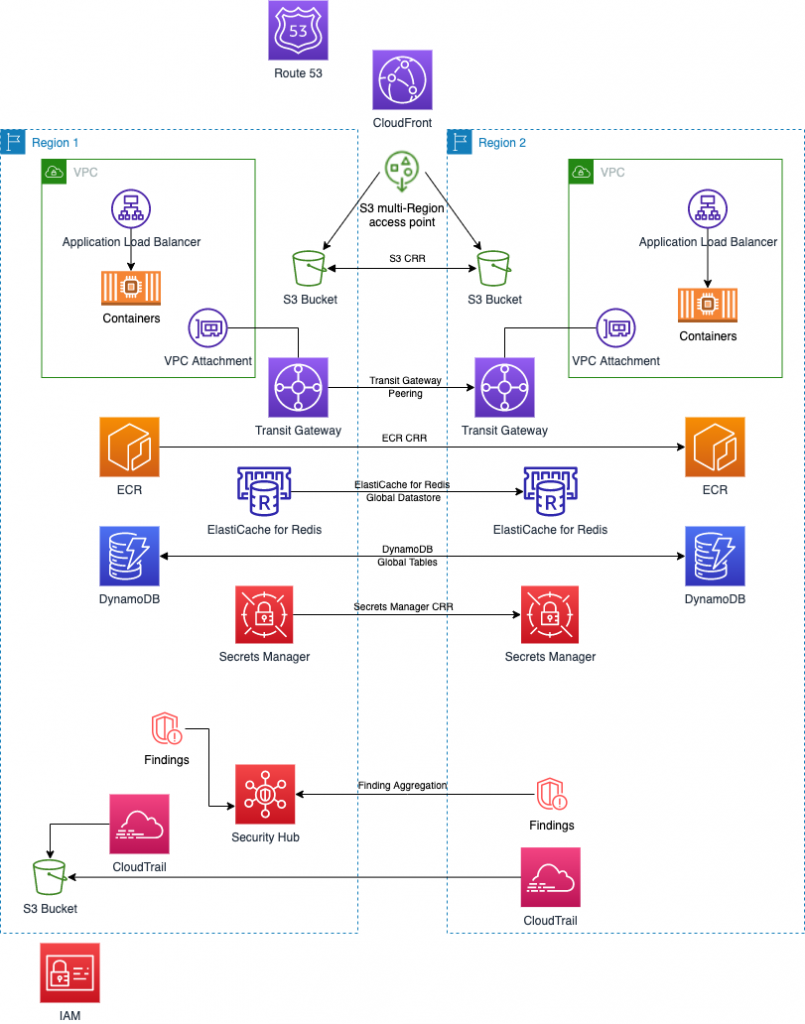
Creating a Multi-Region Application with AWS Services – Part 2, Data and Replication
Data is at the center of stateful applications. Data consistency models will vary when choosing in-Region vs. multi-Region. In this post, part 2 of 3, we continue to filter through AWS services to focus on data-centric services with native features to help get your data where it needs to be in support of a multi-Region […]
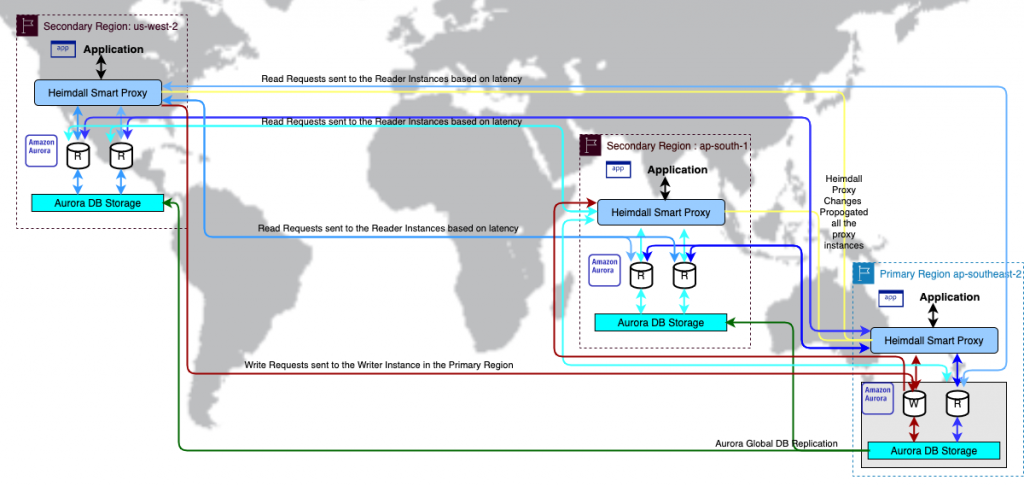
Using Amazon Aurora Global Database for Low Latency without Application Changes
Deploying global applications has many challenges, especially when accessing a database to build custom pages for end users. One example is an application using AWS Lambda@Edge. Two main challenges include performance and availability. This blog explains how you can optimally deploy a global application with fast response times and without application changes. The Amazon Aurora […]

Exploring Data Transfer Costs for AWS Managed Databases
When selecting managed database services in AWS, it’s important to understand how data transfer charges are calculated – whether it’s relational, key-value, document, in-memory, graph, time series, wide column, or ledger. This blog will outline the data transfer charges for several AWS managed database offerings to help you choose the most cost-effective setup for your […]
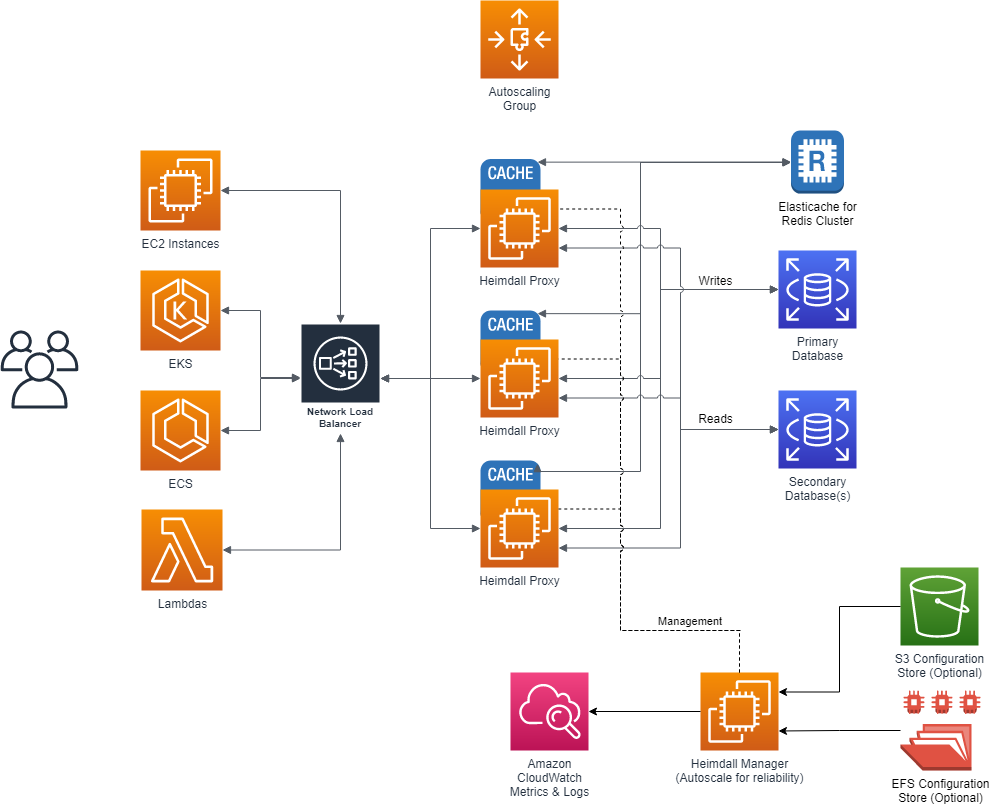
Offloading SQL for Amazon RDS using the Heimdall Proxy
Getting the maximum scale from your database often requires fine-tuning the application. This can increase time and incur cost – effort that could be used towards other strategic initiatives. The Heimdall Proxy was designed to intelligently manage SQL connections to help you get the most out of your database. In this blog post, we demonstrate […]
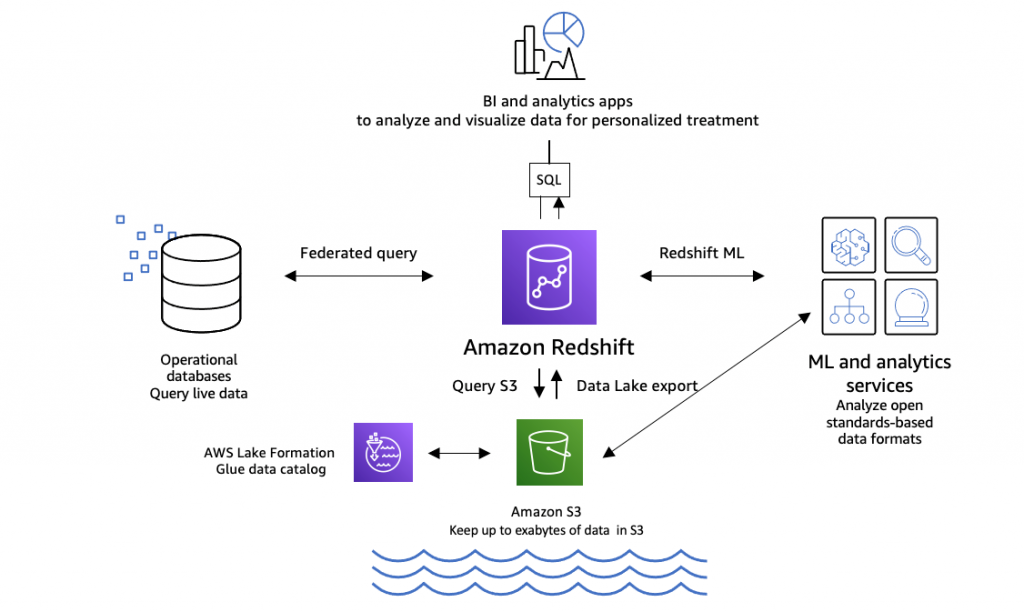
Address Modernization Tradeoffs with Lake House Architecture
Many organizations are modernizing their applications to reduce costs and become more efficient. They must adapt to modern application requirements that provide 24×7 global access. The ability to scale up or down quickly to meet demand and process a large volume of data is critical. This is challenging while maintaining strict performance and availability. For […]