AWS Security Blog
Category: Technical How-to

Secure Amazon container workloads using container attribute-based rules in AWS Network Firewall
Today, you can use AWS Network Firewall to protect traffic flowing to and from containerized applications on Amazon Elastic Kubernetes Service (Amazon EKS) and Amazon Elastic Container Service (Amazon ECS) clusters. If you run AI and machine learning (ML) workloads on Amazon EKS—such as model inference, RAG pipelines, or JupyterHub—your containerized workloads require the same […]

How to use the AWS Workload Credentials Provider for cross-account secret retrieval and prefetching secrets
If you manage secrets across multiple AWS accounts or need faster secret access for latency-sensitive applications, this post shows you how to meet those requirements using two new features of the AWS Workload Credentials Provider (provider). You will learn how to configure role chaining for cross-account secret retrieval and prefetching of secrets to reduce cold-start […]
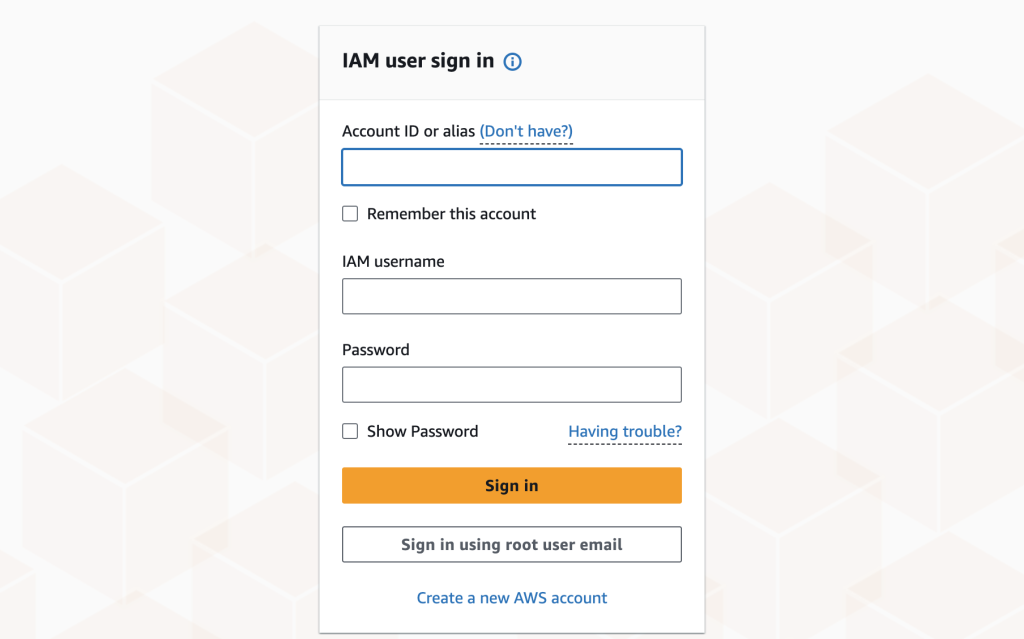
Restrict AWS Management Console access to expected networks with sign-in resource-based policies and RCPs
Amazon Web Services (AWS) recently announced support for resource-based policies and resource control policies (RCPs) for AWS Sign-In. By using resource-based policies and RCPs, you can restrict access to the AWS Management Console sign-in and aws login CLI sessions to requests from your expected networks, your on-premises data center networks, and your Amazon Virtual Private […]

Prevent data exfiltration: AWS egress controls for cloud workloads
When securing an Amazon Web Services (AWS) environment, teams naturally prioritize inbound controls, firewalls, WAFs, and access policies, because that’s where the most visible threats originate. Outbound traffic, on the other hand, tends to get less attention. It’s often left open by default to avoid breaking application dependencies and because the risk feels less immediate. […]

Threat tactic spotlight: Subdomain takeover
In this blog post you’ll learn how to detect and prevent subdomain takeover – a tactic where threat actors exploit dangling DNS records to redirect traffic to attacker-controlled resources. We’ll explain the issue, how the situation arises, and how you can use various AWS features and services to help mitigate the impact of this tactic. […]

Gain visibility into DDoS attacks with flow logs in AWS Shield Advanced
Reconstructing distributed denial of service (DDoS) attack traffic used to mean combining data from multiple sources after the fact. AWS Shield Advanced attack flow logs change that—they capture traffic metadata during attacks so you can pinpoint sources, verify mitigations, and feed your existing analysis pipelines. Shield publishes logs to Amazon Simple Storage Service (Amazon S3), […]

Customize federated sign-in with new Amazon Cognito Lambda trigger
You can use Amazon Cognito user pools to add sign-up and sign-in functionality to your web and mobile applications. You can authenticate users directly with Amazon Cognito managed accounts using passwords, passwordless flows, or custom authentication flows, or let users federate in through external identity providers (IdP) using SAML, OpenID Connect, or social providers such […]

Simplifying policy management with URL and Domain Category filtering on AWS Network Firewall
Network administrators face a persistent challenge: maintaining domain blocklists and allowlists that keep pace with the internet. New websites and services emerge daily, and keeping these lists current requires constant manual updates that leave gaps in coverage. This challenge intensifies when managing access to rapidly evolving categories like AI services, where new tools launch on […]

Automating identity lifecycle and security with AWS Directory Service APIs
Managing identities and access across complex environments has become more critical than ever. AWS Directory Service for Managed Microsoft Active Directory, also known as AWS Managed Microsoft AD, has added new capabilities to manage users and groups. Now, you can perform create, read, update, and delete (CRUD) operations on users and groups directly through AWS […]

Regional routing for AWS access portals: Implementing custom vanity domains for IAM Identity Center
July 1, 2026: This post has been updated to add support for vanity domains in AWS CLI. AWS IAM Identity Center provides a web-based access portal that gives your workforce a single place to view their AWS accounts and applications. With the recent launch of IAM Identity Center multi-Region replication, customers can replicate their IAM […]