AWS Security Blog
Category: Intermediate (200)
How to use AWS Private Certificate Authority short-lived certificate mode
AWS Private Certificate Authority (AWS Private CA) is a highly available, fully managed private certificate authority (CA) service that you can use to create CA hierarchies and issue private X.509 certificates. You can use these private certificates to establish endpoints for TLS encryption, cryptographically sign code, authenticate users, and more. Based on customer feedback for […]
Improve security of Amazon RDS master database credentials using AWS Secrets Manager
Amazon Relational Database Service (Amazon RDS) makes it simpler to set up, operate, and scale a relational database in the AWS Cloud. AWS Secrets Manager helps you manage, retrieve, and rotate database credentials, API keys, and other secrets. Amazon RDS now offers integration with Secrets Manager to manage master database credentials. You no longer have to manage master database credentials, such as […]

The anatomy of ransomware event targeting data residing in Amazon S3
Ransomware events have significantly increased over the past several years and captured worldwide attention. Traditional ransomware events affect mostly infrastructure resources like servers, databases, and connected file systems. However, there are also non-traditional events that you may not be as familiar with, such as ransomware events that target data stored in Amazon Simple Storage Service […]
Define a custom session duration and terminate active sessions in IAM Identity Center
September 12, 2023: This post has been updated to reflect the increased maximum session duration limit from 7 days to 90 days in IAM Identity Center. Managing access to accounts and applications requires a balance between delivering simple, convenient access and managing the risks associated with active user sessions. Based on your organization’s needs, you […]

Visualize AWS WAF logs with an Amazon CloudWatch dashboard
AWS WAF is a web application firewall service that helps you protect your applications from common exploits that could affect your application’s availability and your security posture. One of the most useful ways to detect and respond to malicious web activity is to collect and analyze AWS WAF logs. You can perform this task conveniently […]
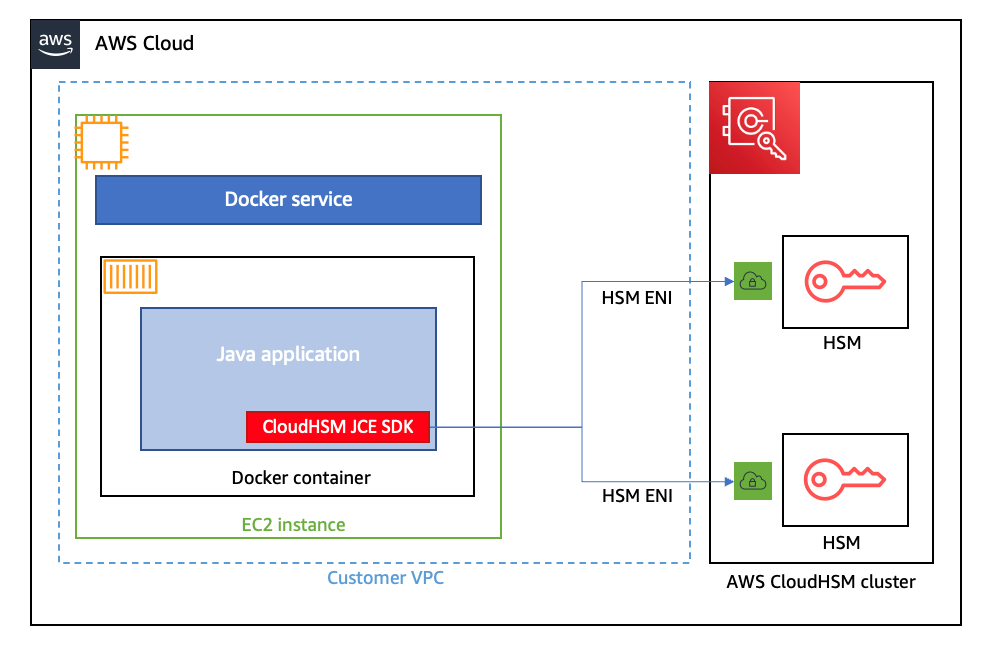
How to run AWS CloudHSM workloads in container environments
January 25, 2023: We updated this post to reflect the fact that CloudHSM SDK3 does not support serverless environments and we strongly recommend deploying SDK5. AWS CloudHSM provides hardware security modules (HSMs) in the AWS Cloud. With CloudHSM, you can generate and use your own encryption keys in the AWS Cloud, and manage your keys […]
How to improve security incident investigations using Amazon Detective finding groups
Uncovering the root cause of an Amazon GuardDuty finding can be a complex task, requiring security operations center (SOC) analysts to collect a variety of logs, correlate information across logs, and determine the full scope of affected resources. Sometimes you need to do this type of in-depth analysis because investigating individual security findings in insolation […]

Deploy a dashboard for AWS WAF with minimal effort
July 30, 2025: AWS rolled out the Traffic Overview dashboard, which delivers near-real-time CloudWatch metrics summaries for AWS WAF. This new dashboard includes comprehensive monitoring of various metrics such as total requests, blocked requests, bot categories, CAPTCHA solve rates, and top 10 matched rules. Additionally, in January 2025, AWS launched the Top Insights section, specifically […]

Use AWS WAF CAPTCHA to protect your application against common bot traffic
June 1, 2023: In April 2023, AWS WAF Captcha launched JavaScript API support which gives developers the ability to embed CAPTCHA within client-rendered web applications. The update to this blog introduces the new functionality and how to get started with it. In this blog post, you’ll learn how you can use a Completely Automated Public […]
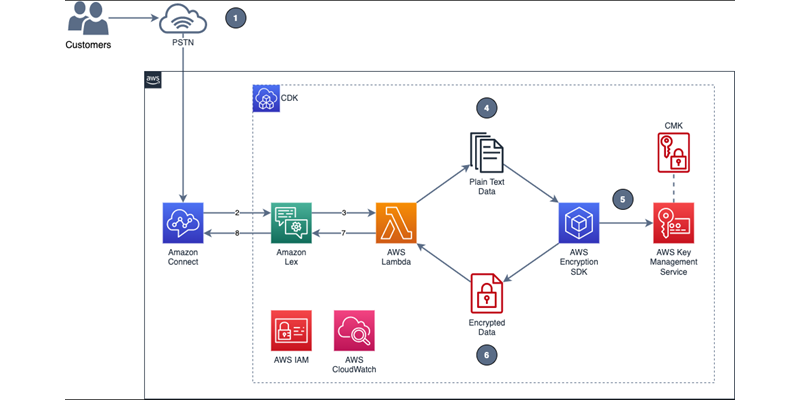
How to encrypt sensitive caller voice input in Amazon Lex
In the telecommunications industry, sensitive authentication and user data are typically received through mobile voice and keypads, and companies are responsible for protecting the data obtained through these channels. The increasing use of voice-driven interactive voice response (IVR) has resulted in a need to provide solutions that can protect user data that is gathered from […]