AWS Database Blog
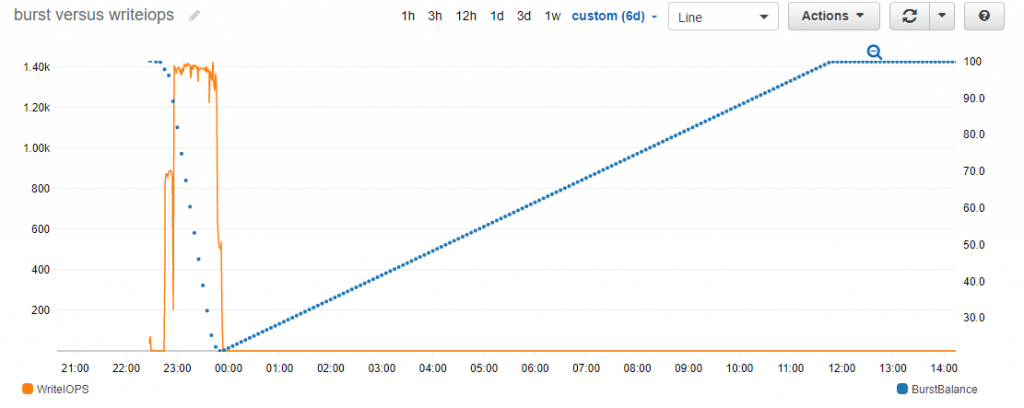
Understanding Burst vs. Baseline Performance with Amazon RDS and GP2
When we think about database storage, the dimensions that matter are the size, latency, throughput, and IOPS of the volume. IOPS stands for input/output (operations) per second, and latency is a measure of the time it takes for a single I/O request to complete. As you can imagine, latency and IOPS are closely related and […]
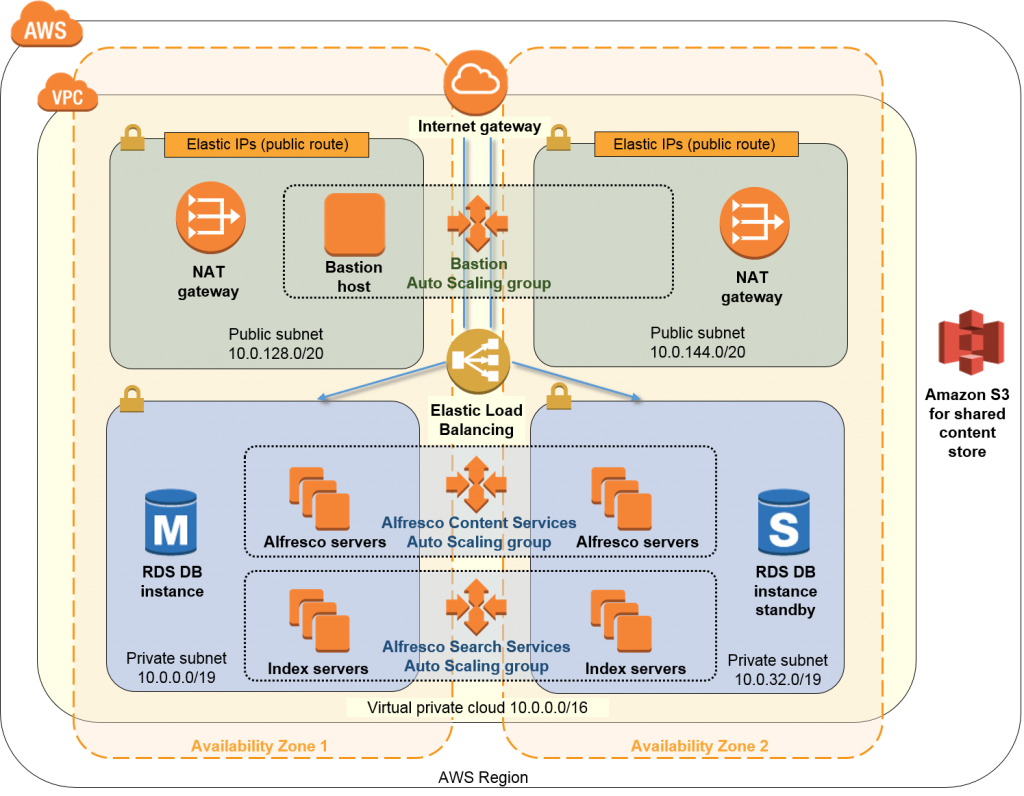
Accelerate Alfresco Content Services Deployment on Amazon Aurora with AWS Quick Start
Linda Wu is a product manager at Amazon Web Services. When we built Amazon Aurora a few years ago, we had the following tenets in mind: Combine the speed and availability of a high-end commercial database with the simplicity and cost-effectiveness of open source. Deliver full compatibility with the popular open-source database MySQL so that […]
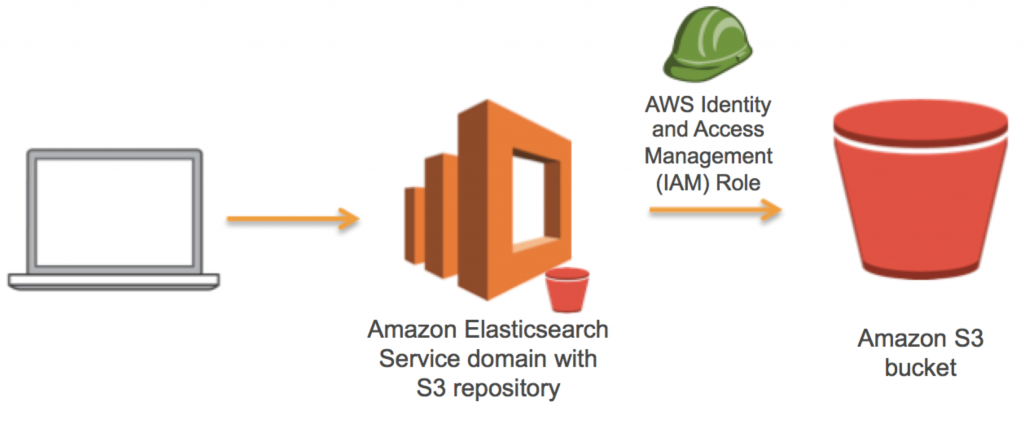
Use Amazon S3 to Store a Single Amazon Elasticsearch Service Index
September 8, 2021: Amazon Elasticsearch Service has been renamed to Amazon OpenSearch Service. See details. As detailed in our documentation, you can use the Elasticsearch API actions in Amazon Elasticsearch Service to take manual snapshots of your domain. You can easily back up your entire domain this way. However, did you know you can also […]
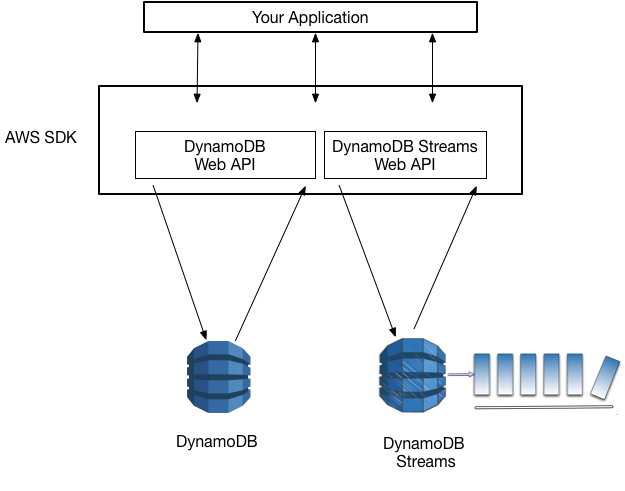
DynamoDB Streams Use Cases and Design Patterns
September 8, 2021: Amazon Elasticsearch Service has been renamed to Amazon OpenSearch Service. See details. Updated May 2021. This post describes some common use cases you might encounter, along with their design options and solutions, when migrating data from relational data stores to Amazon DynamoDB. We will consider how to manage the following scenarios: How do […]
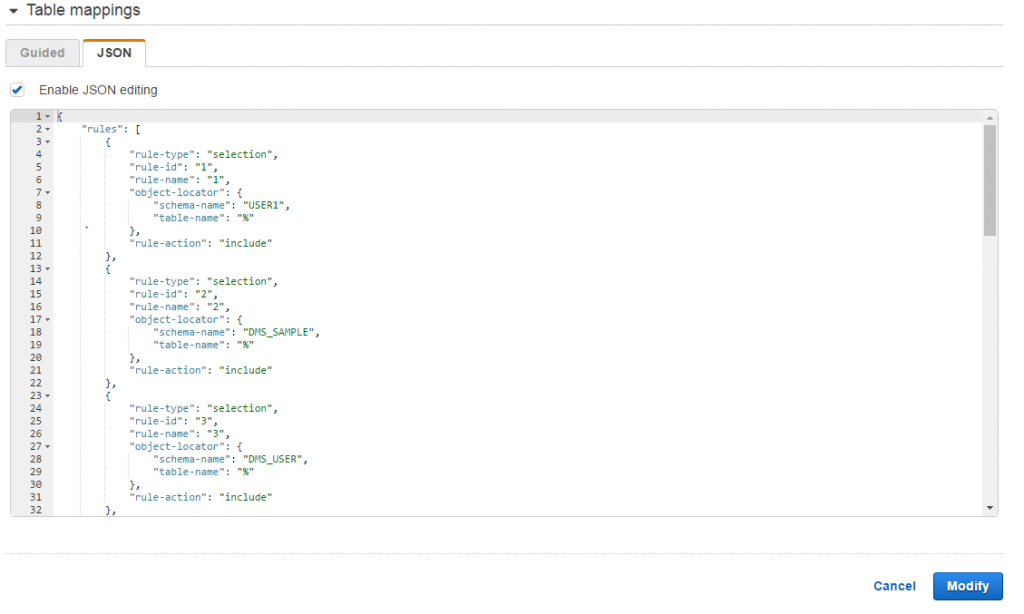
Oracle Migration Automated – How to Automate Generation of Selection and Transformation Rules for AWS Data Migration Service
Akm Raziul Islam is a database architect at Amazon Web Services. You can use AWS Data Migration Service (AWS DMS) to copy data from multiple schemas in an Oracle source to a single Amazon RDS for Oracle target. You can also migrate data to different schemas on a target. But to do this, you need […]

Amazon DynamoDB Accelerator (DAX): A Read-Through/Write-Through Cache for DynamoDB
Joseph Idziorek is a product manager at Amazon Web Services. AWS recently launched Amazon DynamoDB Accelerator (DAX), a highly available, in-memory cache for Amazon DynamoDB. If you’re currently using DynamoDB or considering DynamoDB, DAX can offer you response times in microseconds and millions of requests per second. When developers start using DAX, they tell us […]

AWS Named as a Leader in The Forrester Wave: Database-as-a-Service Q2 2017
Larry Weber and Yoav Eilat are product marketing managers at Amazon Web Services. On April 24, Forrester published The Forrester Wave: Database-as-a-Service Wave, Q2 2017, in which AWS is named as a Leader, receiving the highest score for Current Offerings, Strategy, and Market Presence. There were 13 vendors in the evaluation. According to Forrester, “AWS […]
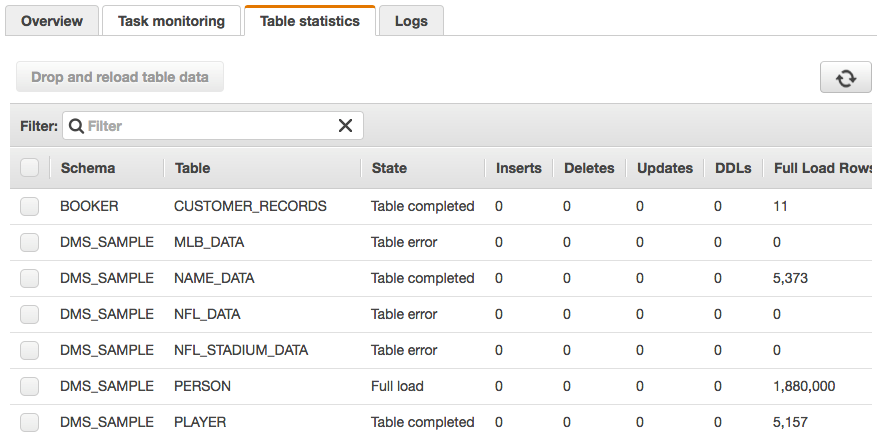
How to Migrate Your Oracle Database to PostgreSQL
Knievel Co is a database engineer at Amazon Web Services. This blog post provides an overview on how you can migrate your Oracle database to PostgreSQL. The two biggest parts of a database migration are the schema conversion and the data replication. We go over how to use the AWS Schema Conversion Tool (AWS SCT) […]
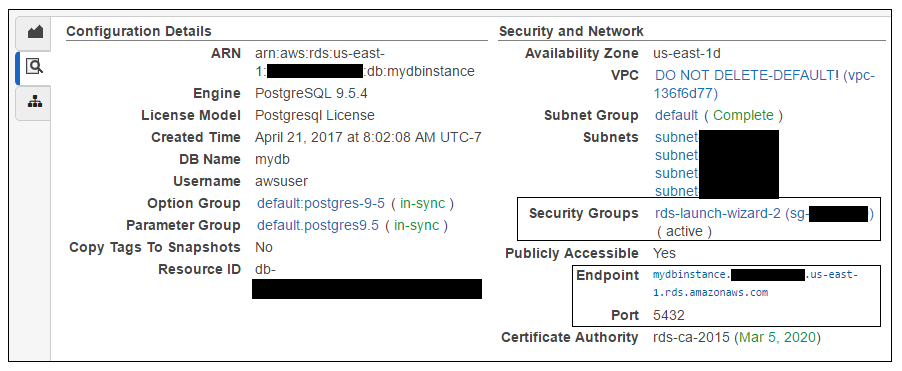
Using the AWS Database Migration Service, Amazon S3, and AWS Lambda for Database Analytics
Jeff Levine is a solutions architect for Amazon Web Services. The AWS Database Migration Service (AWS DMS) supports Amazon S3 as a migration target. The services enable you to extract information from any database supported by DMS and write it to Amazon S3 in a format that can be used by almost any application. You can extract the entire […]
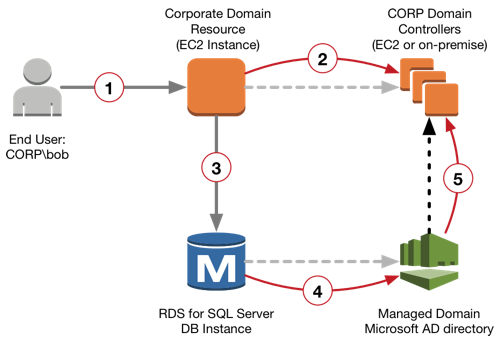
Integrate Amazon RDS for SQL Server DB Instances with an Existing Active Directory Domain
Vlad Vlasceanu is a solutions architect at Amazon Web Services. Last year, we launched support for Windows Authentication in Amazon RDS for SQL Server. This feature has been quite popular with customers. It lets you deploy Microsoft SQL Server-based workloads with Amazon RDS using the same centralized user management patterns that you use in your […]