AWS Database Blog
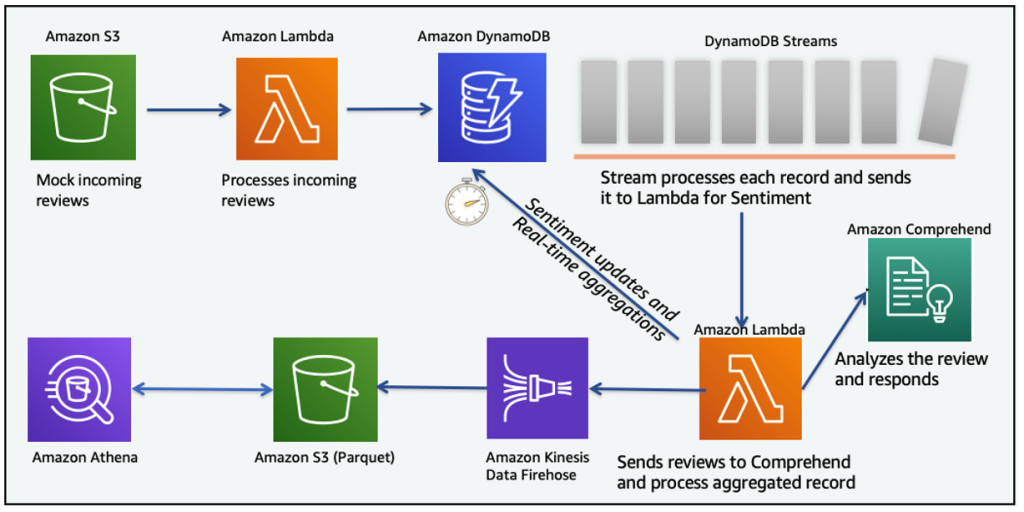
Integrate your Amazon DynamoDB table with machine learning for sentiment analysis
Amazon DynamoDB is a non-relational database that delivers reliable performance at any scale. It’s a fully managed, multi-Region, multi-active database that provides consistent single-digit millisecond latency and offers built-in security, backup and restore, and in-memory caching. DynamoDB offers a serverless and event-driven architecture, which enables you to use other AWS services to extend DynamoDB capability. […]

Amazon DynamoDB now supports audit logging and monitoring using AWS CloudTrail
Amazon DynamoDB is a fully managed, multi-Region, multi-active database that delivers reliable performance at any scale. Because of the flexible DynamoDB data model, enterprise-ready features, and industry-leading service level agreement, customers are increasingly moving sensitive workloads to DynamoDB. Regulated industries (e.g., education, media, finance, and healthcare) may require detailed information about data access activity to […]

Key considerations in moving to Graviton2 for Amazon RDS and Amazon Aurora databases
Amazon Relational Database Service (Amazon RDS) and Amazon Aurora support a multitude of instance types for you to scale your database workloads based on your needs (see Amazon RDS DB instance classes and Aurora DB instance classes, respectively). In 2020, AWS announced Amazon M6g and R6g instance types for Amazon RDS and recently announced the […]

Cost-effective disaster recovery for Amazon Aurora databases using AWS Backup
You may have stringent regulatory compliance obligations that require an effective multi-Region disaster recovery (DR) plan to mitigate a Region-wide disaster. AWS offers multiple methods to meet these needs, taking into consideration different factors such as recovery time objective (RTO), recovery point objective (RPO), and costs. In this post, I focus on how to keep […]
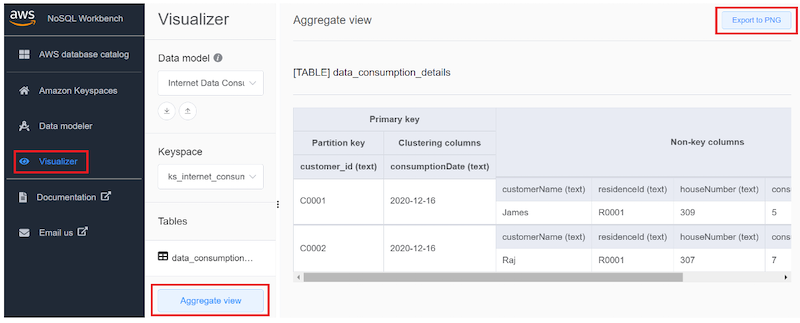
Build an Amazon Keyspaces (for Apache Cassandra) data model using NoSQL Workbench
In this post, we build an end-to-end data model for an internet data consumption application. Data modeling provides a means of planning and blueprinting the complex relationship between an application and its data. Creating an efficient data model helps to achieve better query performance. An inefficient data model can slow development and performance, increase costs, […]

Build proactive database monitoring for Amazon RDS with Amazon CloudWatch Logs, AWS Lambda, and Amazon SNS
Customers running Amazon Relational Database Service (Amazon RDS) want to shorten the process of accessing database logs and to receive proactive notifications of database alerts. Generally, database administrators have host access to the database servers, which gives them access to the database logs on the host file system, which are used for monitoring and validating […]
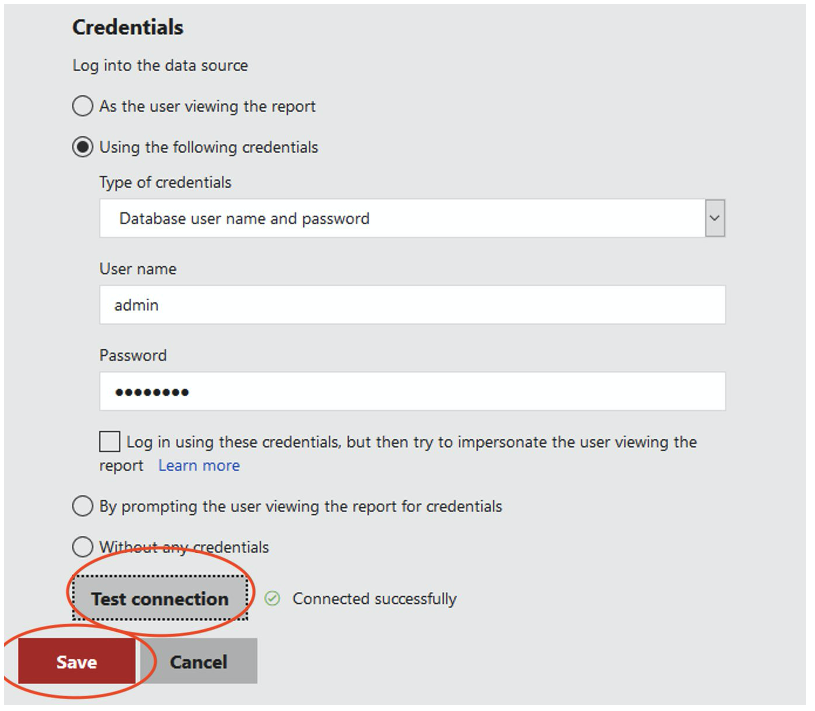
Migrate SQL Server Reporting Services content to Amazon RDS for SQL Server
If you are looking to move your Microsoft SQL Server Reporting Services (SSRS) workloads to Amazon Relational Database Service (Amazon RDS) for SQL Server , you will need to migrate your existing reports and SSRS content before you can start running your workloads. In Amazon RDS for SQL Server, just lifting and shifting an existing […]
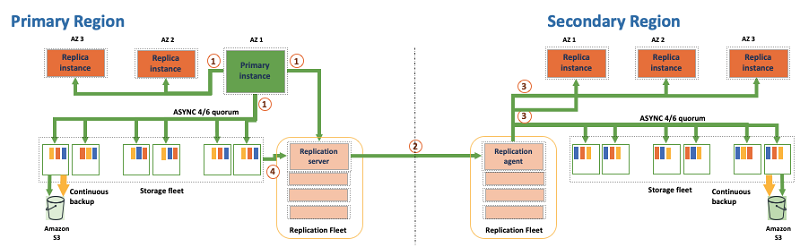
Cross-Region disaster recovery using Amazon Aurora Global Database for Amazon Aurora PostgreSQL
Critical workloads with a global footprint have strict availability requirements and may need to tolerate a Region-wide outage. Traditionally, this required a difficult trade-off between performance, availability, cost, and data integrity, and sometimes required a considerable re-engineering effort. Due to high implementation and infrastructure costs that are involved, some businesses are compelled to tier their […]
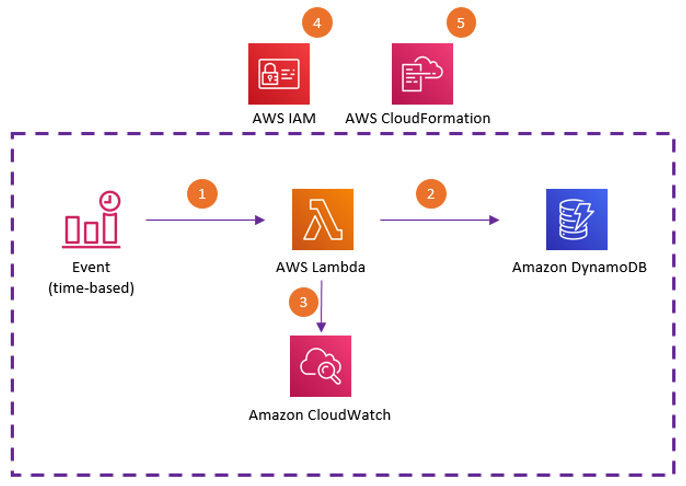
Safely reduce the cost of your unused Amazon DynamoDB tables using on-demand mode
Imagine that you have thousands of Amazon DynamoDB tables for development and production environments. You want to decommission the tables that nobody uses, because that’s what the AWS Well-Architected Framework recommends for cost saving. How can you find unused tables quickly? Moreover, how to ensure you don’t incur any application availability impact after decommissioning the […]

Best practices for Amazon RDS for PostgreSQL major upgrades and replicas
When Amazon Relational Database Service (Amazon RDS) supports a new version of a database engine, you can upgrade your DB instances to the new version. Latest engine versions released by PostgreSQL community contain fixes for bugs, security issues, and data corruption problems. Generally, Amazon RDS aims to support new engine versions shortly after their availability. […]