AWS Database Blog

Managed disaster recovery with Amazon RDS for Oracle cross-Region automated backups – Part 2
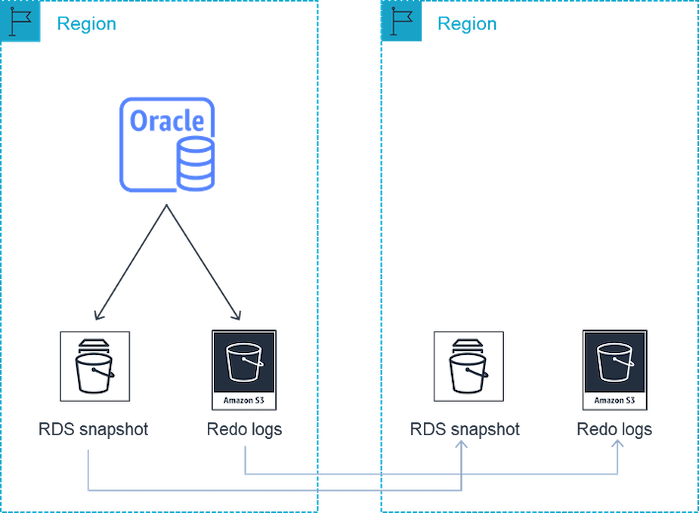
In the first part of this series, we discussed several use cases for including a second Region in your disaster recovery (DR) plans for your Amazon Relational Database Service (Amazon RDS) for Oracle database instances. We also introduced cross-Region automated backups to assist you in establishing and maintaining cross-Region point in time restore (PITR) capability for your Amazon […]
Managed disaster recovery with Amazon RDS for Oracle cross-Region automated backups – Part 1
Today, customers using Amazon Relational Database Service (Amazon RDS) for Oracle have several managed high availability (HA) and disaster recovery (DR) capabilities to choose from based on your business requirements and use cases: With Amazon RDS Multi-AZ, you get enhanced availability and durability for database (DB) instances within a specific AWS Region. This is often […]
Manage AWS ElastiCache for Redis access with Role-Based Access Control, AWS Secrets Manager, and IAM
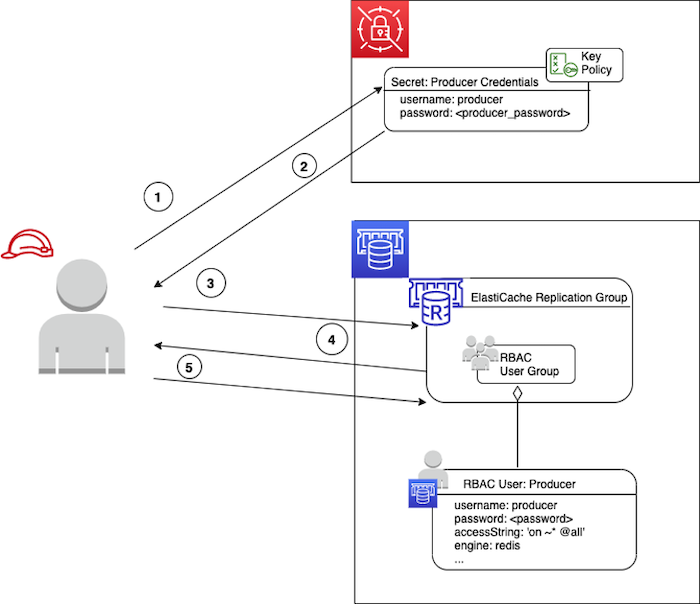
October 2022: This post was reviewed and updated with a new architecture diagram and code updates to factor the change from CDK 1.x to CDK 2.x. Amazon ElastiCache for Redis is an AWS managed, Redis-compliant service that provides a high-performance, scalable, and distributed key-value data store that you can use as a database, cache, message […]

Amazon DynamoDB single-table design using DynamoDBMapper and Spring Boot
A common practice when creating a data model design, especially in the relational database management system (RDMS) world, is to start by creating an entity relationship diagram (ERD). Afterwards, you normalize your data by creating a table for each entity type in your ERD design. The term normalization refers to the process of organizing the […]
Capture changes from Amazon DocumentDB via AWS Lambda and publish them to Amazon MSK
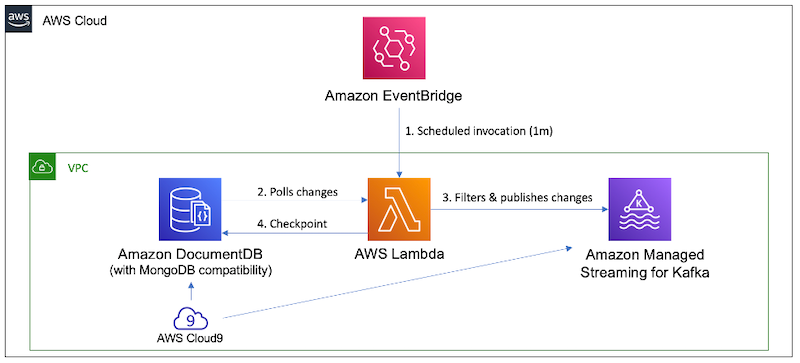
When using a document data store as your service’s source of truth, you may need to share the changes of this source with other downstream systems. The data events that are happening within this data store can be converted to business events, which can then be sourced into multiple microservices that implement different business functionalities. […]
Configure AWS services to build a knowledge graph in Amazon Neptune using Data Lens
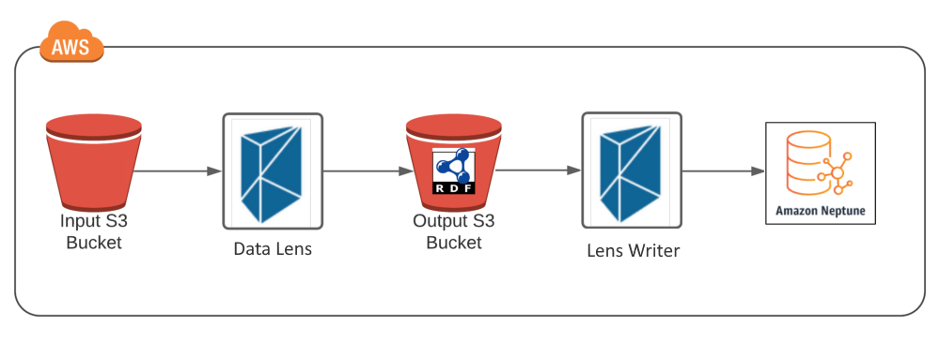
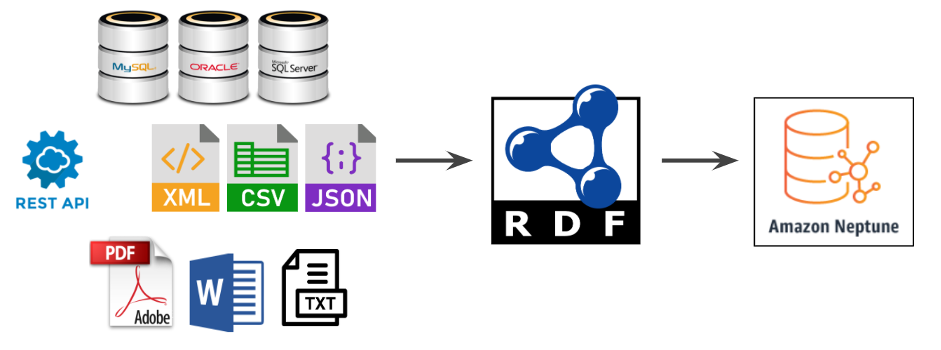
This is a guest post by Russell Waterson, Knowledge Graph Engineer at Data Lens Ltd. Customers use knowledge graphs to consolidate and integrate information assets and make them more readily available. Building knowledge graphs by getting data from disparate existing data sources can be expensive, time-consuming, and complex. Project planning, project management, engineering, maintenance and […]
Build a knowledge graph in Amazon Neptune using Data Lens
This is a guest post by Russell Waterson, Knowledge Graph Engineer at Data Lens Ltd. Customers use knowledge graphs to consolidate and integrate information assets and make them more readily available. Building knowledge graphs by getting data from disparate existing data sources can be expensive, time-consuming, and complex. Project planning, project management, engineering, maintenance and […]
Monitor Amazon RDS for PostgreSQL and Amazon Aurora for PostgreSQL database log errors and set up notifications using Amazon CloudWatch
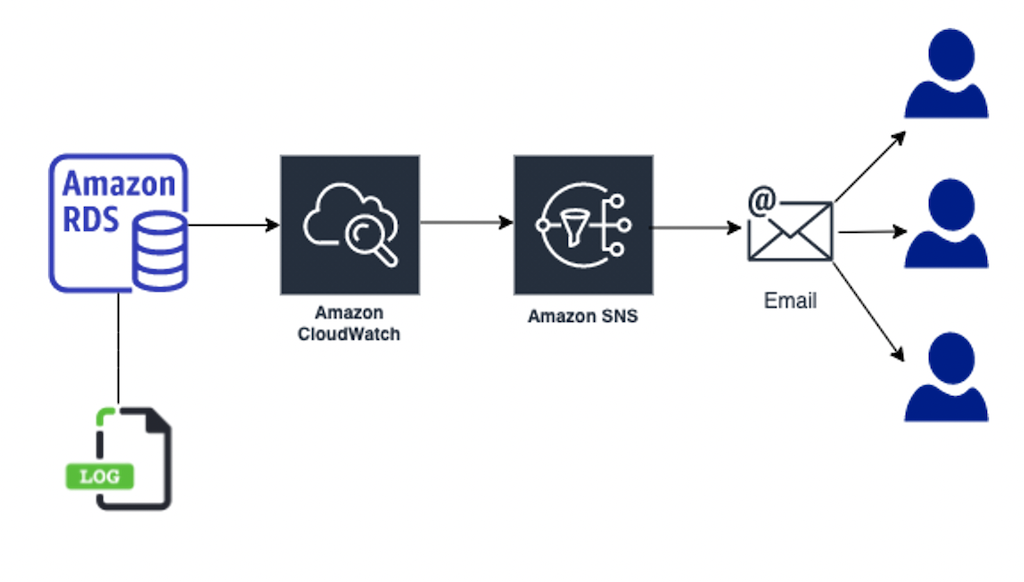
Database administrators set up monitoring on database log files to get alerted on certain informational and critical events relating to a pattern of errors specific to a database. Monitoring for errors on a business-critical database is essential to avoid unexpected outcomes such as a missed service-level agreement (SLA), which might result in penalties. A good […]
How to choose the best disaster recovery option for your Amazon Aurora MySQL cluster
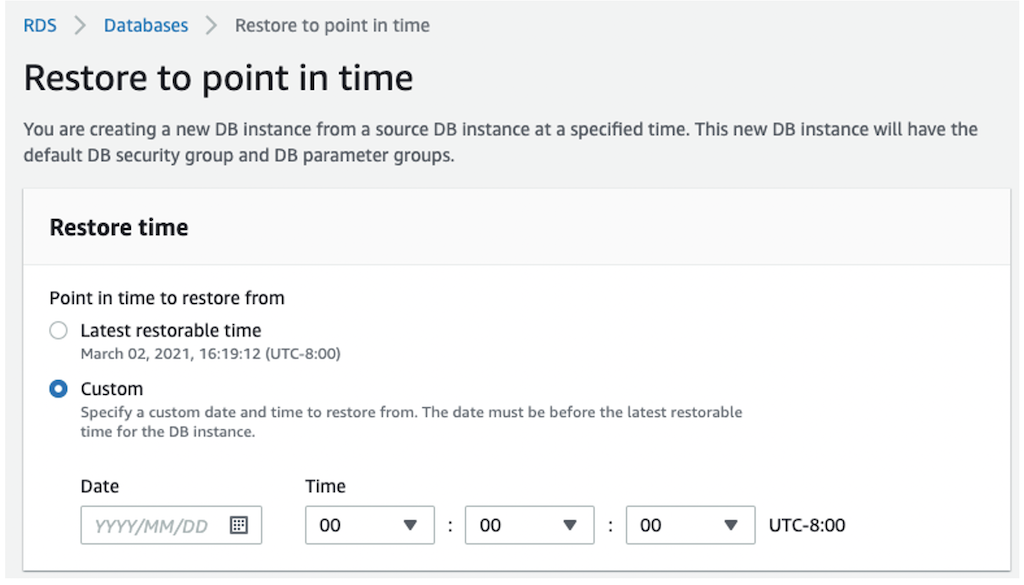
August 2025: This post was reviewed for accuracy. There are many different ways to achieve disaster recovery objectives based on business requirements, but finding the best option for a particular situation can get overwhelming. The innovation and commercial-grade features that come with Amazon Aurora MySQL-Compatible Edition expands these options even further. This post outlines options […]
Use Amazon ElastiCache for Redis as a near-real-time feature store
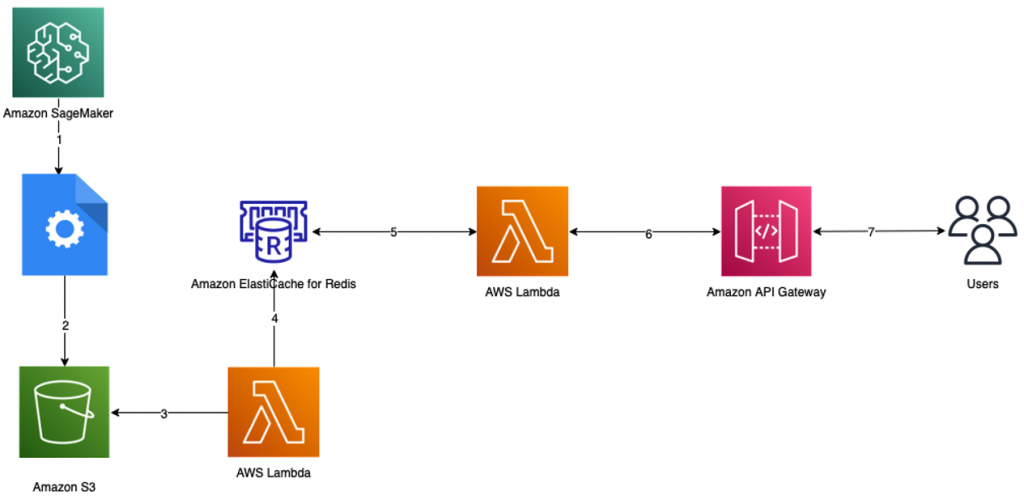
Customers often use Amazon ElastiCache for real-time transactional and analytical use cases. It provides high throughout and low latencies, while meeting a variety of business needs. Because it uses in-memory data structures, typical use cases include database and session caching, as well as leaderboards, gaming and financial trading platforms, social media, and sharing economy apps. […]