AWS Database Blog
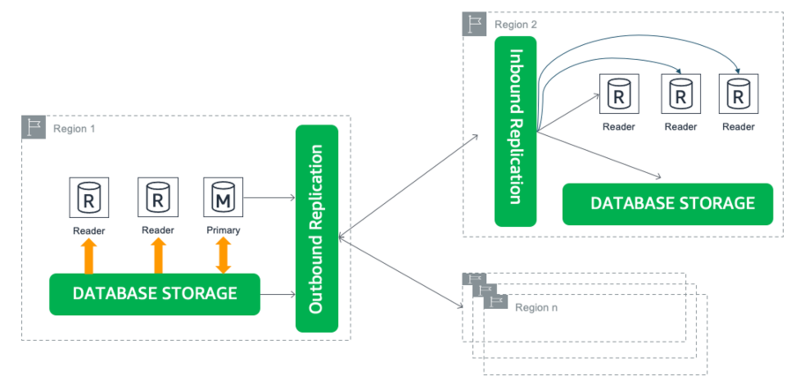
Understand replication capabilities in Amazon Aurora PostgreSQL
Critical workloads with a global footprint, such as financial, travel, or gaming applications, have strict availability and disaster recovery requirements and may need to tolerate a Region-wide outage. Traditionally, this requires difficult trade-offs between performance, availability, cost, and Recovery Point Objectives (RPO) and Recovery Time Objectives (RTO). In some situations, routine maintenance tasks like database […]

Remove bloat from Amazon Aurora and RDS for PostgreSQL with pg_repack
Do you have a database where the size of relations on disk is larger than you expect? Did you observe this size increasing every time you ran several UPDATE and DELETE operations on the relations? Did you observe adverse effects on performance of the database as a result of this? This might be a result […]

Build a simple CRUD operation and data stream on Amazon QLDB using AWS Lambda
In the financial services industry, efficient data lineage and audit capabilities are highly sought after. This is particularly true for database transaction processing that facilitates the movement of currency and management of sensitive customer account information. This is a challenge for customers because although all financial service providers generally have a means of moving money […]
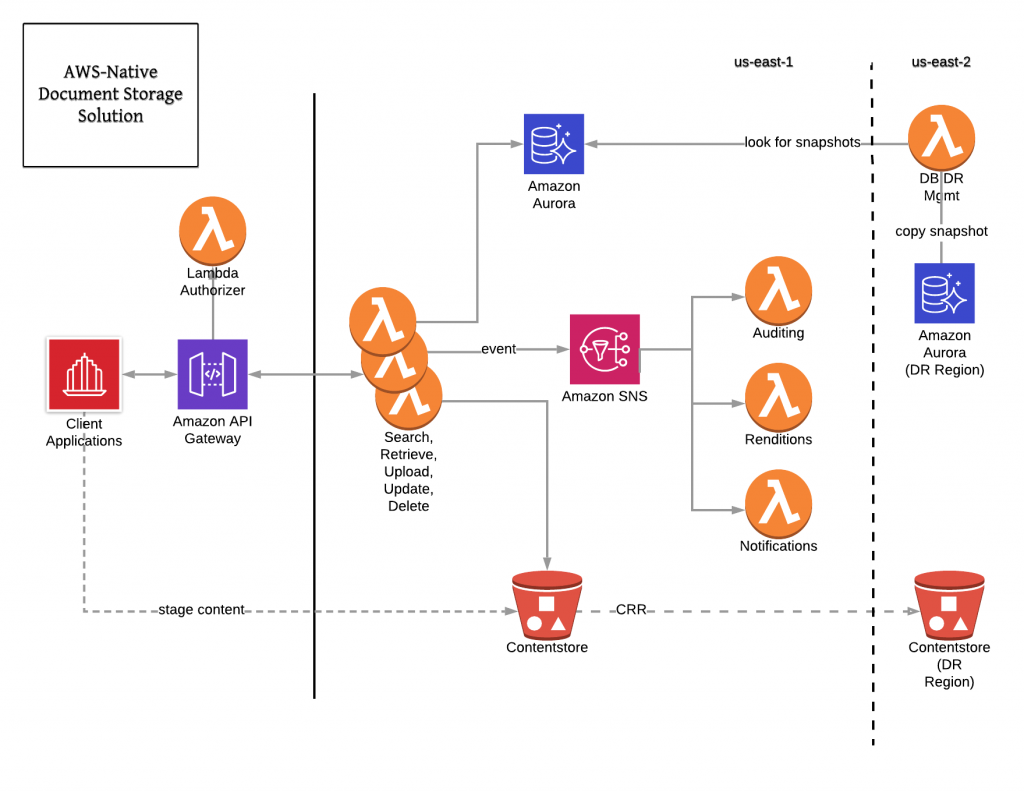
How Liberty Mutual built a highly scalable and cost-effective document management solution
With more than 45,000 employees in 29 countries, Liberty Mutual is the sixth largest global property and casualty insurer, and currently ranks 71st on the Fortune 100 list of largest corporations in the US. The expectations of customers continue to increase as the pace of change accelerates, the nature and magnitude of risk change, and […]
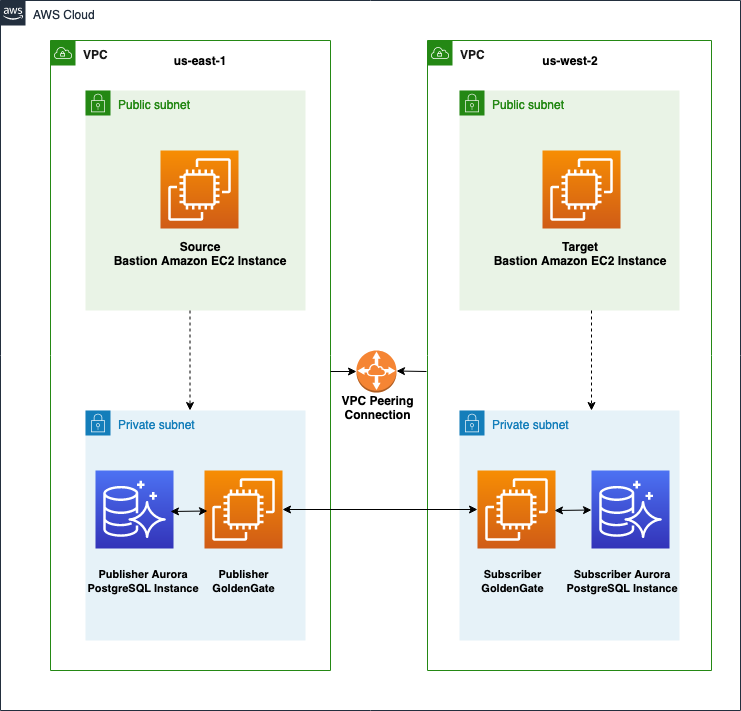
Implement active/active replication between Amazon Aurora clusters using Oracle GoldenGate
Enterprises both large and small, across diverse industries and with varying levels of cloud maturity, recognize the importance and value of deploying active/active database configurations. An active/active system is a network of independent processing nodes, each having access to a common replicated database so all nodes can participate in a common application. Some enterprises are […]

Replicate and transform data in Amazon Aurora PostgreSQL across multiple Regions using AWS DMS
Global organizations that operate and do business in many countries need to be compliant with data sovereignty and other compliance rules like GDPR. For example, you may want to replicate data to other Regions while at the same time removing certain columns to adhere to privacy laws within a country. In this post, we demonstrate […]
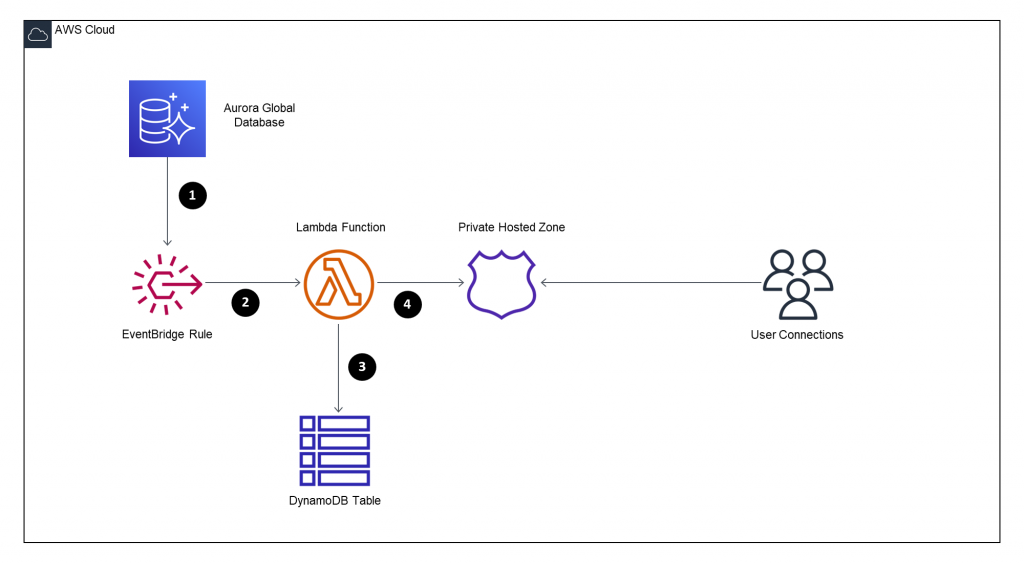
Automate Amazon Aurora Global Database endpoint management for planned and unplanned failover
This blog post was last reviewed or updated April, 2022 to include unplanned failover feature. Important note: This solution relies on Route 53 control plane, which is only available in N.Virginia region (us-east-1). For an unplanned failover, if your primary Region is us-east-1 we don’t advise using this solution as it takes a dependency on the […]
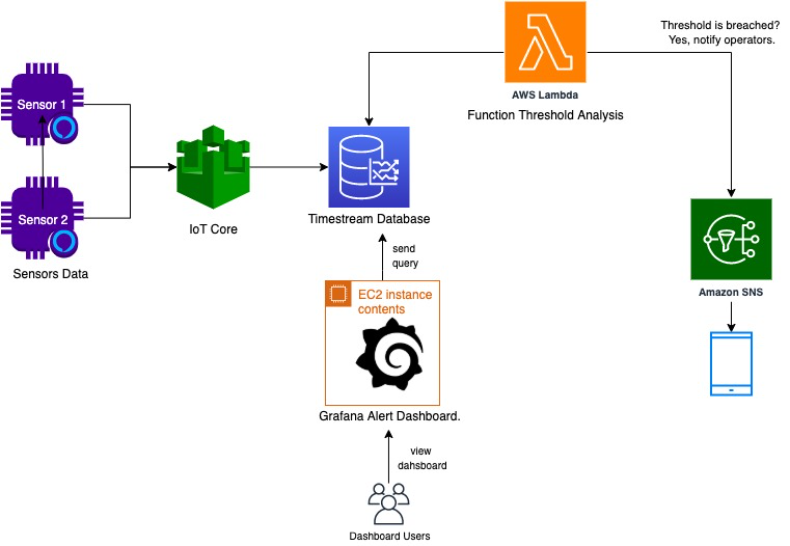
Trigger notifications on time series data with Amazon Timestream
In recent years, large-scale internet of things (IoT) applications generate data at fast rates, and many IoT implementations require data to be stored sequentially, based on date-time values generated either at sensor or at ingestion levels. In use cases such as smart factories, IoT data and time series data are being produced at a large […]
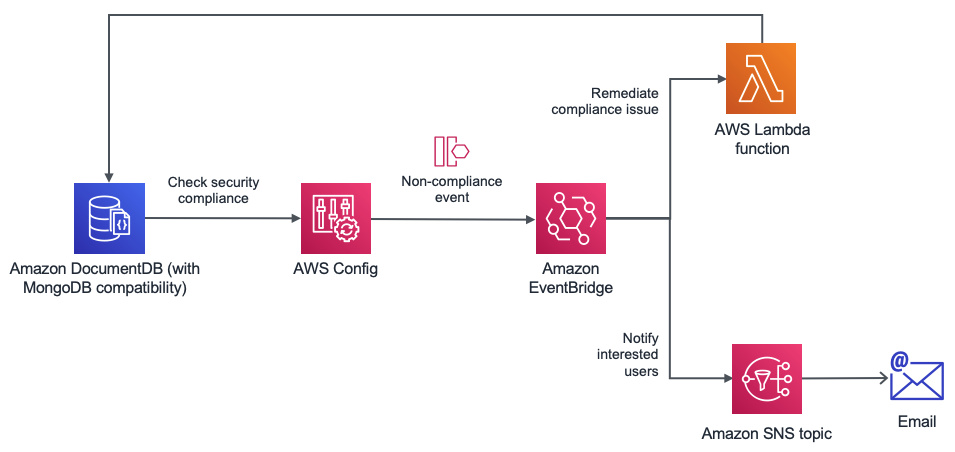
Evaluate Amazon DocumentDB (with MongoDB compatibility) configurations using AWS Config
It’s common practice for organizations to define compliance and standards for all applications and software they interact with, such as databases, storage, network, and compute. The key drivers are to comply with different regulations to achieve security and audit certifications according to the domain they operate in. AWS Config allows you to create rules and […]
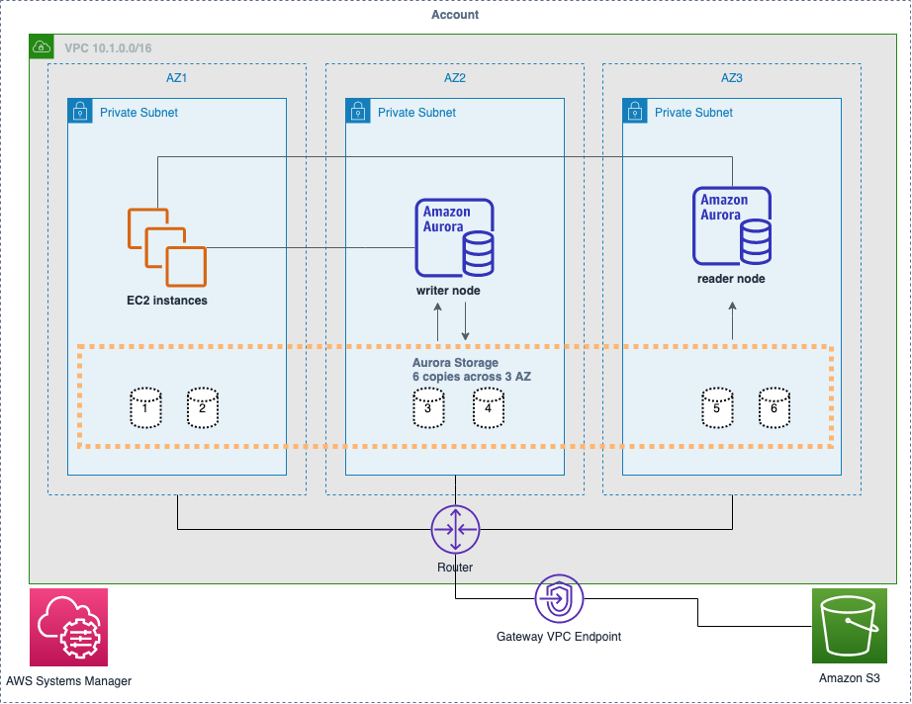
Automate benchmark tests for Amazon Aurora PostgreSQL
Optimizing a database is an important activity for new and existing application workloads. You need to take cost, operations, performance, security, and reliability into consideration. Conducting benchmark tests help with these considerations. With Amazon Aurora PostgreSQL-Compatible Edition, you can run multiple benchmark tests with different transaction characteristics matching your data access patterns. In this post, […]