AWS Database Blog
Category: Advanced (300)

View Amazon CloudWatch logs for Amazon RDS in Splunk Cloud Platform
You can use Splunk Cloud Platform to monitor your entire infrastructure, including database servers hosted in AWS, on premises, or both. In this post we provide you detailed steps on how Splunk can connect to Amazon CloudWatch Logs using AWS Identity and Access Management (IAM) user credentials and pull database log files for Amazon Relational […]

Optimized bulk loading in Amazon RDS for PostgreSQL
In this post, we present several bulk data loading strategies optimized for Amazon Relational Database Service (Amazon RDS) for PostgreSQL. Although general optimization guides for bulk data loading into PostgreSQL are widely available, we illustrate how to apply these strategies in an Amazon RDS for PostgreSQL context. First, a word of caution. No combination of […]

Reduce read I/O cost of your Amazon Aurora PostgreSQL database with range partitioning
June 2023: For Aurora databases where IO is greater than 25% of your costs, check out this blog post and recent announcement to see if you can save money with Aurora I/O-Optimized. Amazon Aurora PostgreSQL-Compatible Edition offers a SQL database with enterprise-grade speed, availability, and scale at a cost comparable to open-source databases. With Aurora, […]
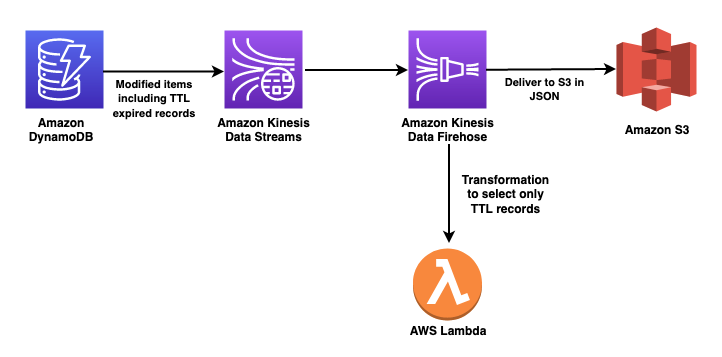
Archive data from Amazon DynamoDB to Amazon S3 using TTL and Amazon Kinesis integration
August 30, 2023: Amazon Kinesis Data Analytics has been renamed to Amazon Managed Service for Apache Flink. Read the announcement in the AWS News Blog and learn more. In this post, we share how you can use Amazon Kinesis integration and the Amazon DynamoDB Time to Live (TTL) feature to design data archiving. Archiving old […]
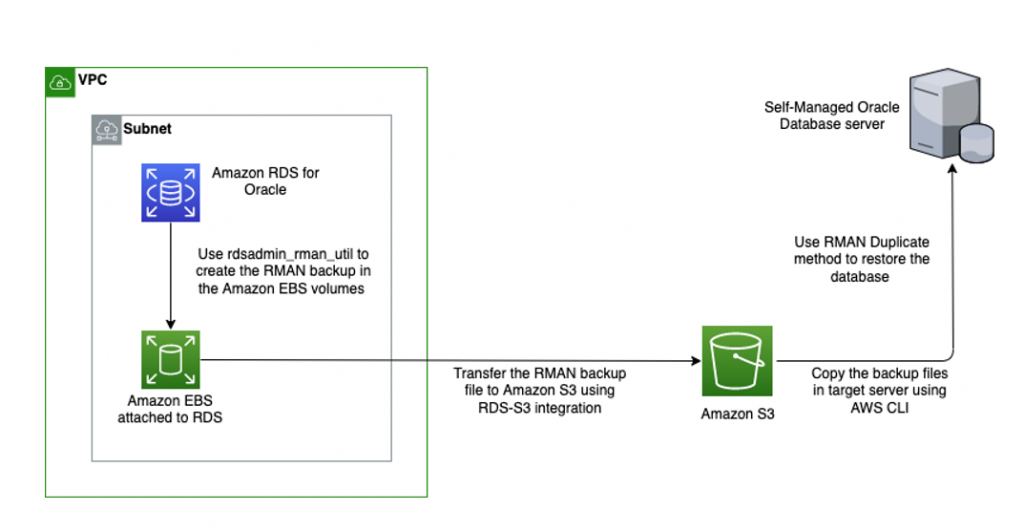
Restore Amazon RDS for Oracle to a self-managed infrastructure using RMAN duplication
Amazon Relational Database Service (Amazon RDS) for Oracle is a fully managed commercial database that makes it easy to set up, operate, scale a relational database in the cloud. It takes care of installation, storage provisioning, management, OS and database patching, backup and restore automatically. This helps you focus your efforts on where you can […]
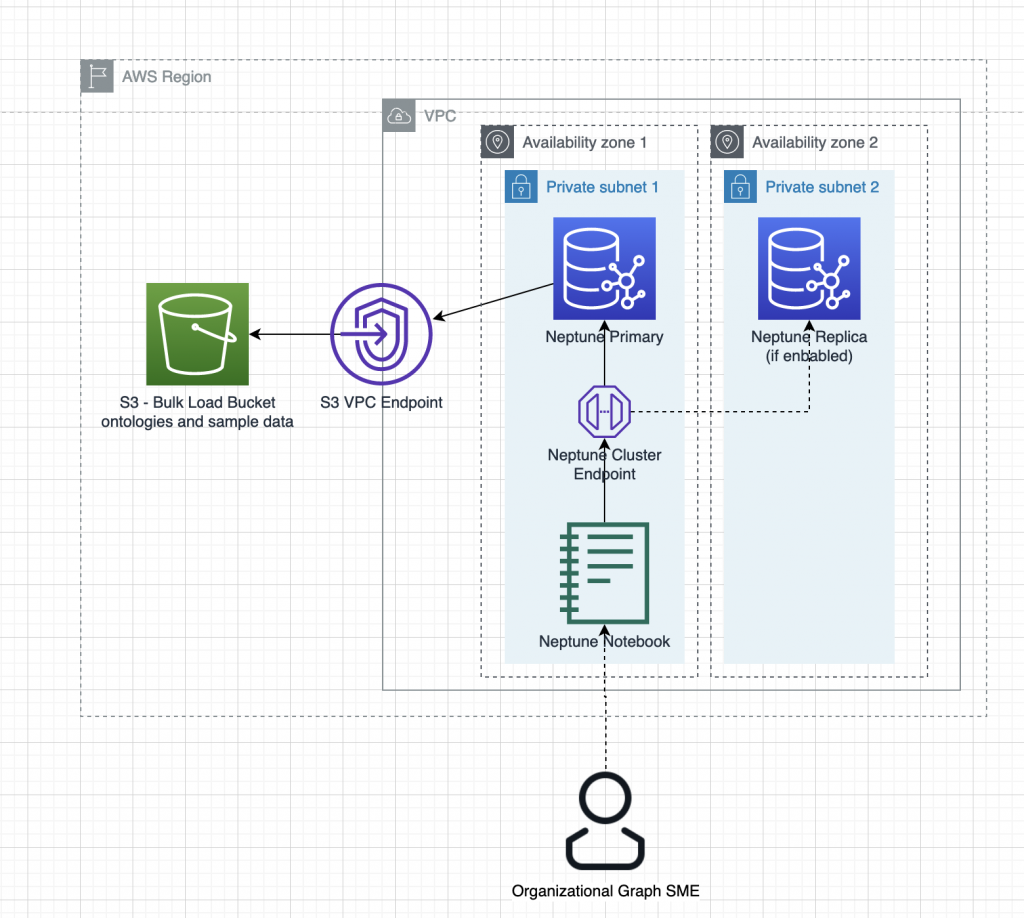
Model-driven graphs using OWL in Amazon Neptune
Amazon Neptune is a graph database service provided by AWS that you can use to build a knowledge graph of relationships among business objects. When building a knowledge graph, what is a suitable model to govern the representation of those relationships? We would prefer not to build our graph on the fly, but rather have […]
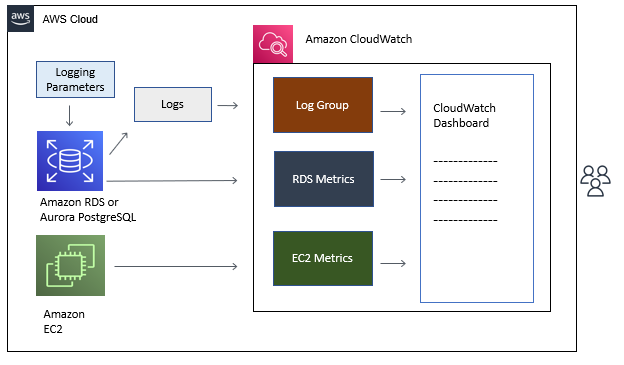
Create an Amazon CloudWatch dashboard to monitor Amazon RDS for PostgreSQL and Amazon Aurora PostgreSQL
Database performance monitoring is critical for application availability and productivity. A good monitoring practice can ensure a small issue is identified in time before it develops into a big problem and causes service disruption. In the AWS Cloud, you can use analytical and monitoring tools like Amazon RDS Performance Insights and Amazon CloudWatch metrics and […]

Use Amazon RDS Proxy with read-only endpoints
Amazon RDS Proxy is a fully managed, highly available database proxy that can front your Amazon RDS for MySQL or Amazon RDS for PostgreSQL databases and Amazon Aurora MySQL-Compatible Edition or Amazon Aurora PostgreSQL-Compatible Edition databases. It allows you to manage an application’s access to the database and provides multiplexing, connection pooling, and graceful failover. […]
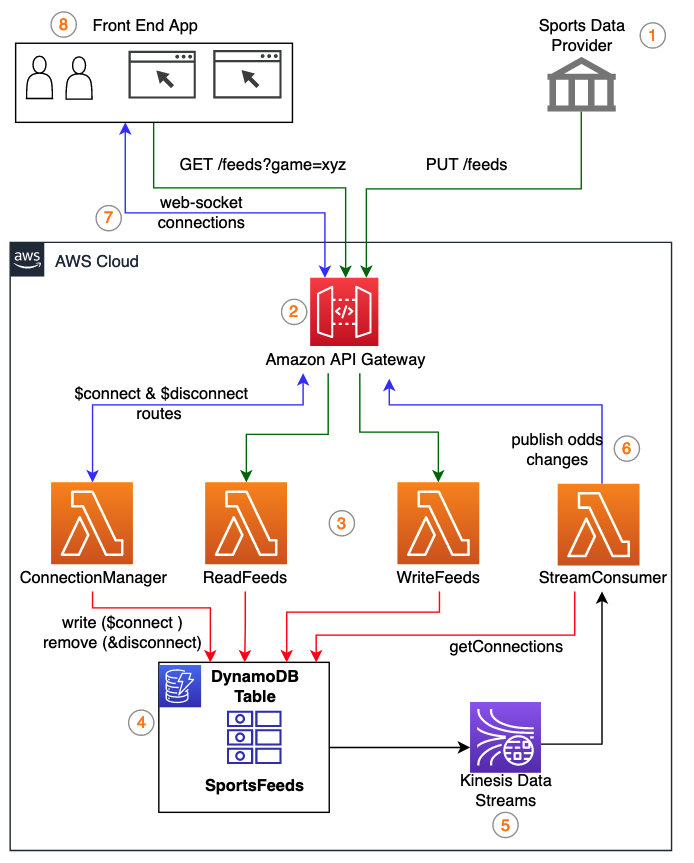
Store and stream sports data feeds using Amazon DynamoDB and Amazon Kinesis Data Streams
August 30, 2023: Amazon Kinesis Data Analytics has been renamed to Amazon Managed Service for Apache Flink. Read the announcement in the AWS News Blog and learn more. Online bookmakers are innovating to offer their clients continuously updated sports data feeds that allow betting throughout the duration of matches. In this post, we walk through […]

Backup and Restore Strategies for Amazon RDS for SQL Server
Customers have asked for the right solution to safeguard their data on Amazon Relational Database Service (Amazon RDS) for SQL Server and meet their current Recovery Point Objective (RPO), the maximum acceptable amount of time since the last backup and Recovery Time Objective (RTO), the maximum acceptable delay between the interruption of service and restoration […]